Waterproofing
Treat the Cause, Not the Stain.
- Diagnosis Before Treatment
- Tanking and Membranes
- Drainage and Ground Levels
- Ventilation Assessed
Request a Free Estimate
- Your information is secure and never shared.
Damp Has a Cause. We Find It.
- Tanking to Basements and Wet Areas
- External Drainage and Ground Levels
- Failed Details and Flashings Corrected
- Ventilation and Condensation Advice
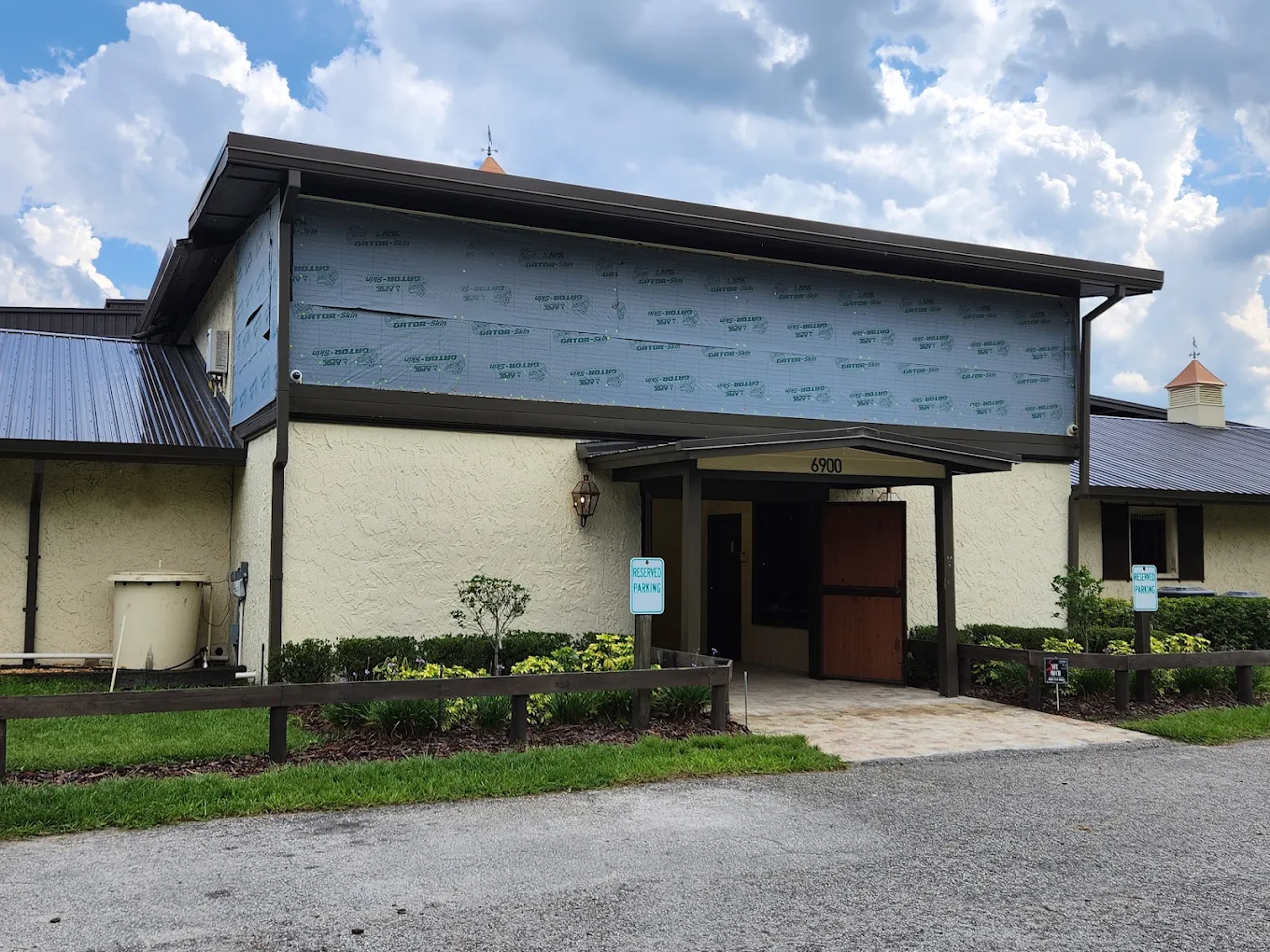
Basement &
Cellar Tanking
Rising &
Penetrating Damp
External Drainage
& Levels
Wet Areas &
Balconies
Related Services
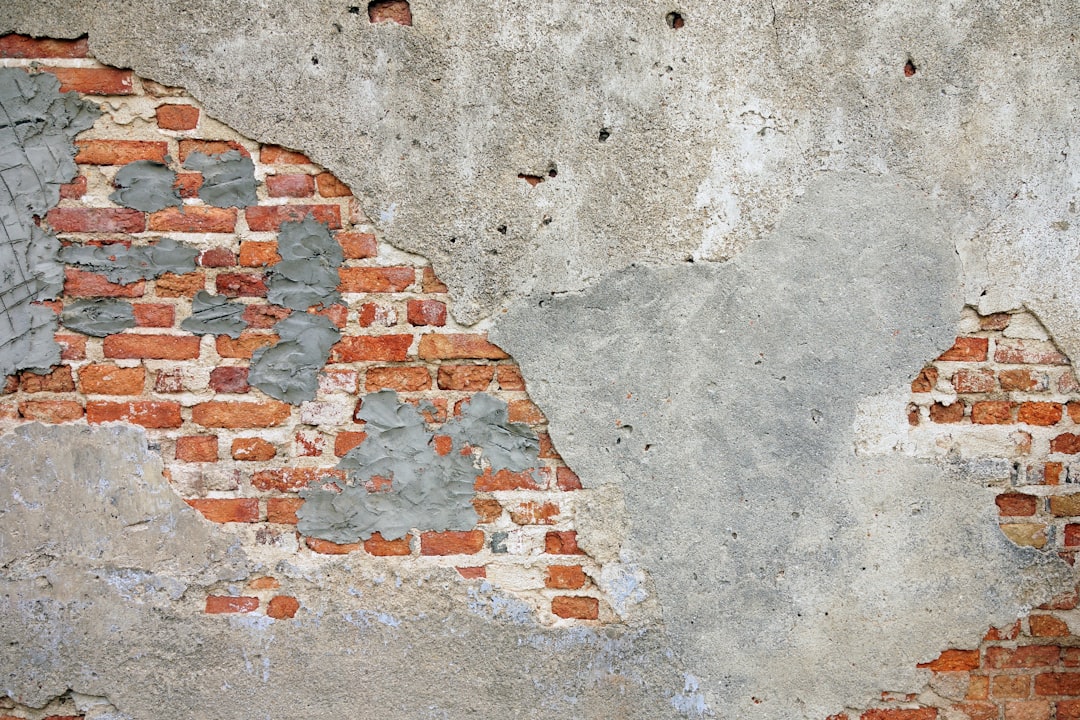
Exterior Structural Repairs
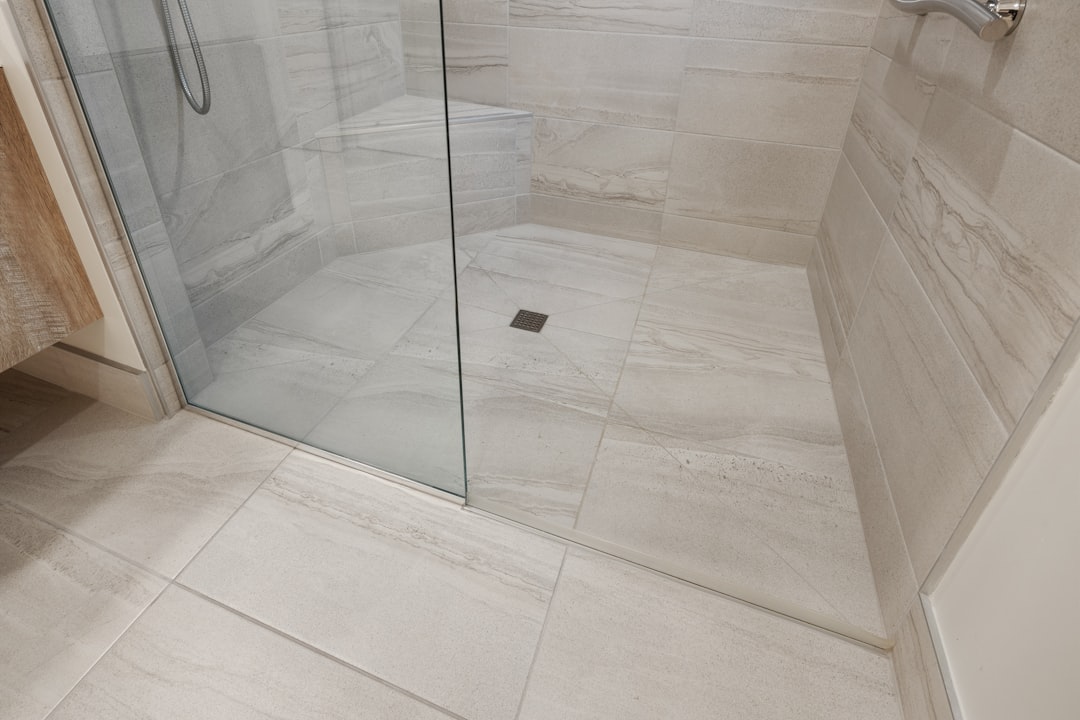
Bathroom Remodeling
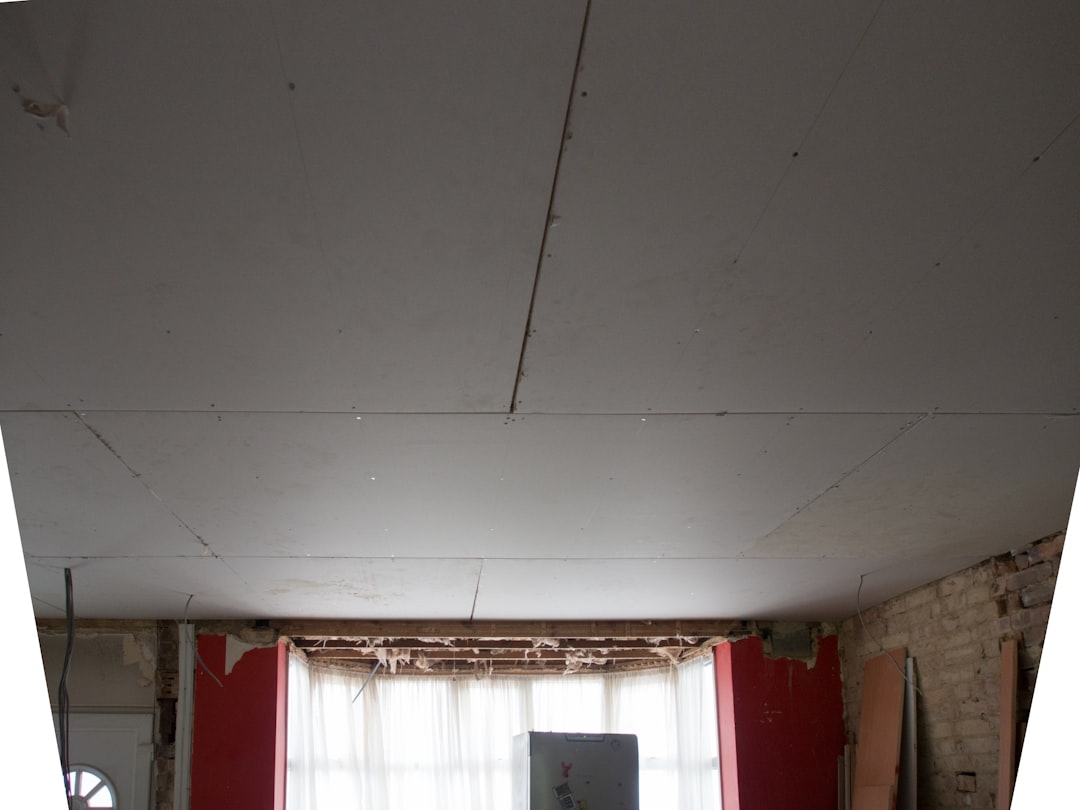
Drywall Repair
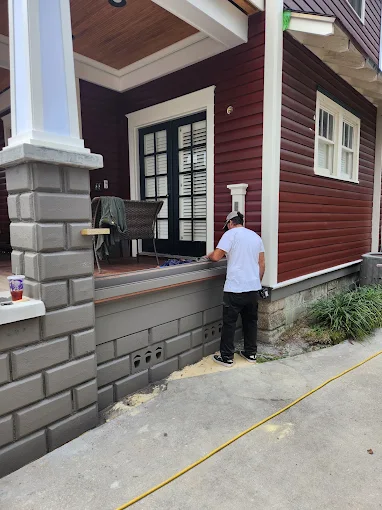
General Repairs
The Right Diagnosis
Saves the Most Money.
Diagnosed, Not Assumed
We identify which of the four common causes you are dealing with before quoting a treatment.
Levels Checked
Ground and path levels bridging a damp proof course are a common and cheap fix.
Drainage First
Gutters, downpipes and gullies are checked before anything is applied to a wall.
Proper Systems
Tanking and membranes installed as designed systems with correct detailing at every junction.
Ventilation Considered
Where the problem is condensation, we say so rather than selling you a treatment that will not help.
Honest About Limits
If a problem needs a specialist survey or a different trade, we will tell you that plainly.
Diagnosis to Dry.
Survey & Diagnose
Internal and external inspection to establish where the water is actually coming from.
Specify & Quote
A written specification naming the system and addressing the identified cause.
Deal With the Source
Drainage, levels, flashings or failed details corrected before internal work starts.
Apply the System
Tanking, membranes or damp proofing installed with correct detailing at junctions.
Reinstate & Advise
Replastering and making good, plus written advice on drying time and ventilation.
Most damp is solved on the exterior, not the wall you can see.
Four Kinds of Damp, Four Different Answers
Penetrating damp
Rising damp and bridged damp courses
Condensation, which is not really damp at all
Tanking, and where it genuinely belongs
How we price waterproofing work
Frequently Asked Questions
How do I know what kind of damp I have?
Do I definitely need a damp proof course injected?
Will tanking fix my damp problem?
I have black mould in the corners. Is that damp?
How long does a wall take to dry after treatment?
Can you waterproof a basement or cellar?
Do you charge for the survey?
Still Have Questions? Let’s Talk.
Speak to the person who will actually diagnose the problem, not a call centre. We’ll talk it through and give you a straight answer.
New York, NY 10001
Request a Free Estimate
- Your information is secure and never shared.
From new construction to complete renovations, we deliver high-quality craftsmanship, on-time completion, and service you can trust.
Our Services
Get In Touch
- (212) 555-0188
- [email protected]
- 123 Construction Way, New York, NY 10001
-
Mon – Fri: 7:00 AM – 5:00 PM
Sat – Sun: 9:00 AM – 5:00 PM
© 2026 BuildRight Contracting. All rights reserved.