Bathroom Remodeling
Sealed, Level and Built to Last.
- Full Tanking & Waterproofing
- Certified Plumbing & Electrics
- Fixed-Price Quotes
- Dust-Controlled Working
Request a Free Estimate
- Your information is secure and never shared.
Bathrooms That Stay Dry
- Wet Areas Tanked Before Tiling
- Falls Set to the Drain, Not Guessed
- Extraction Sized to the Room
- Certificates Issued on Completion
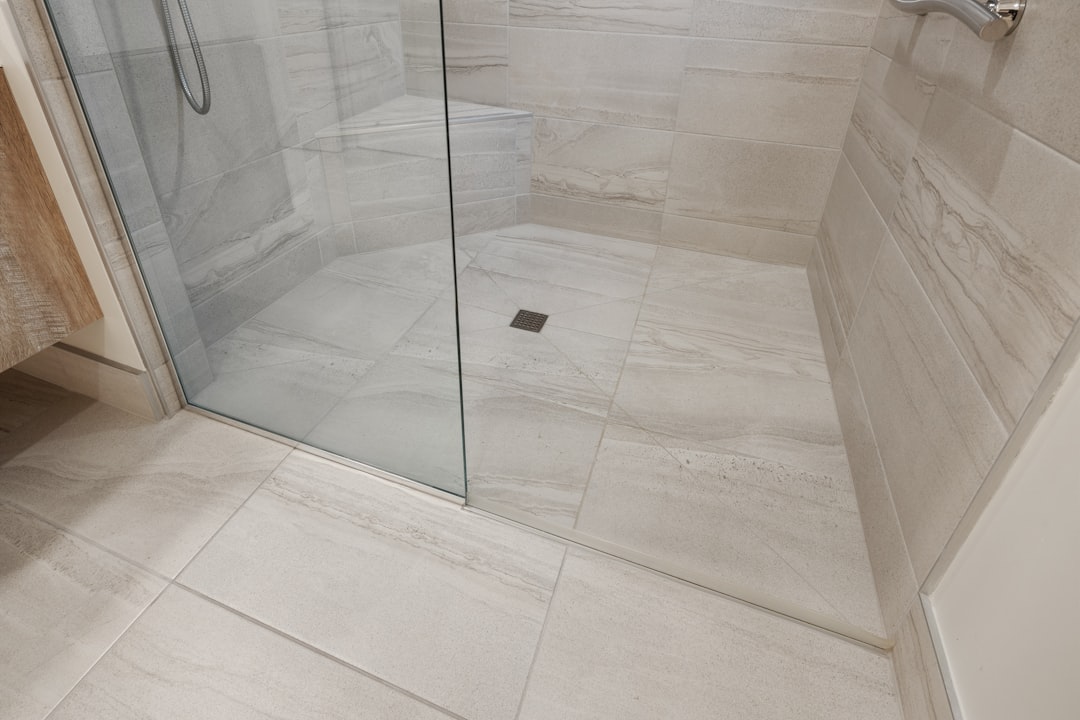
Full Bathroom
Refits
Wet Rooms &
Walk-In Showers
Tiling &
Waterproofing
Cloakrooms &
En-Suites
Related Services
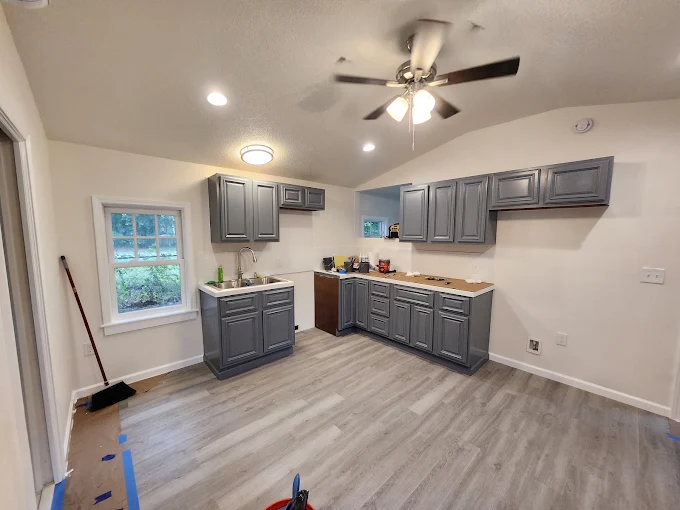
Kitchen Remodeling
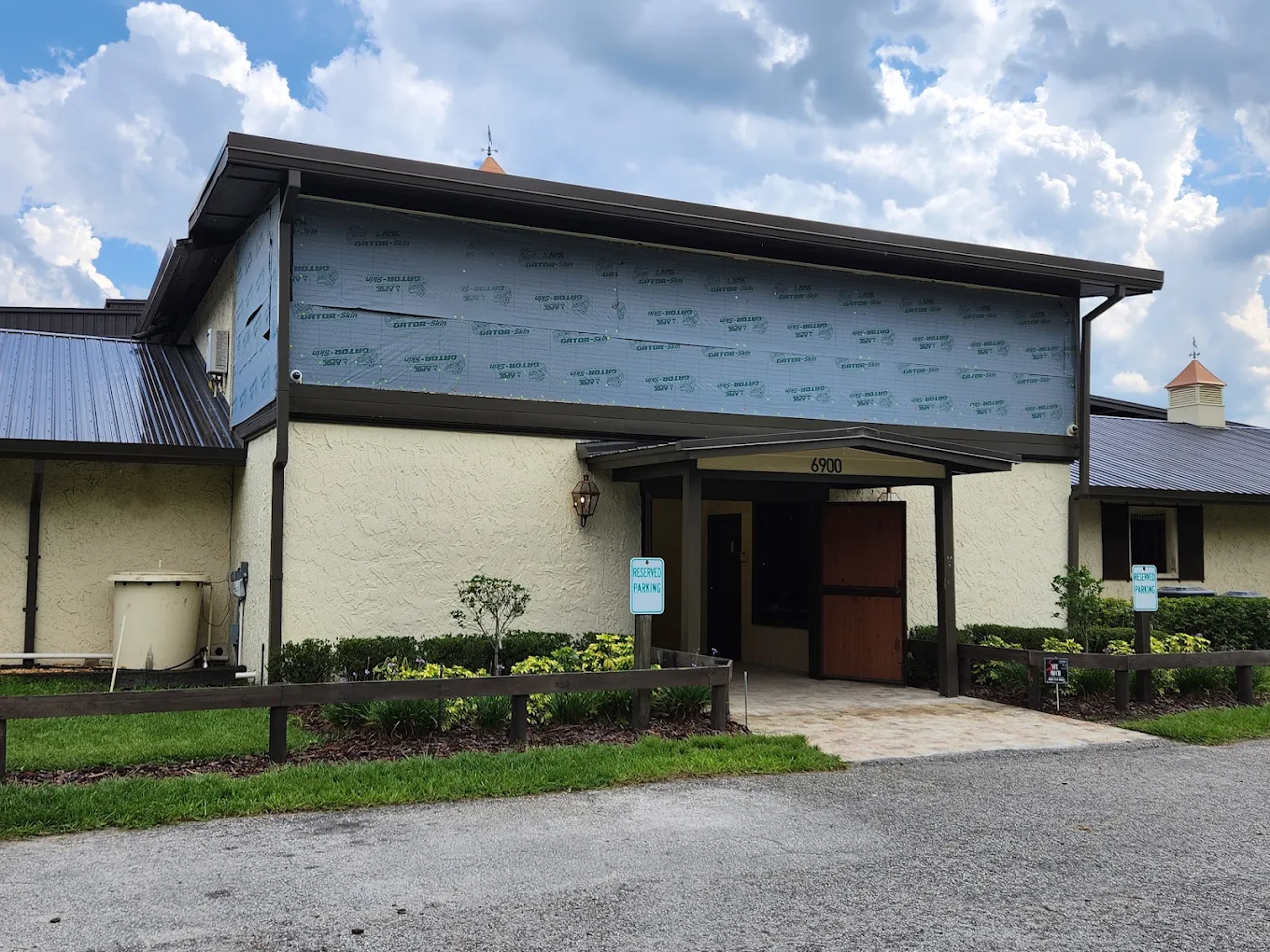
Waterproofing
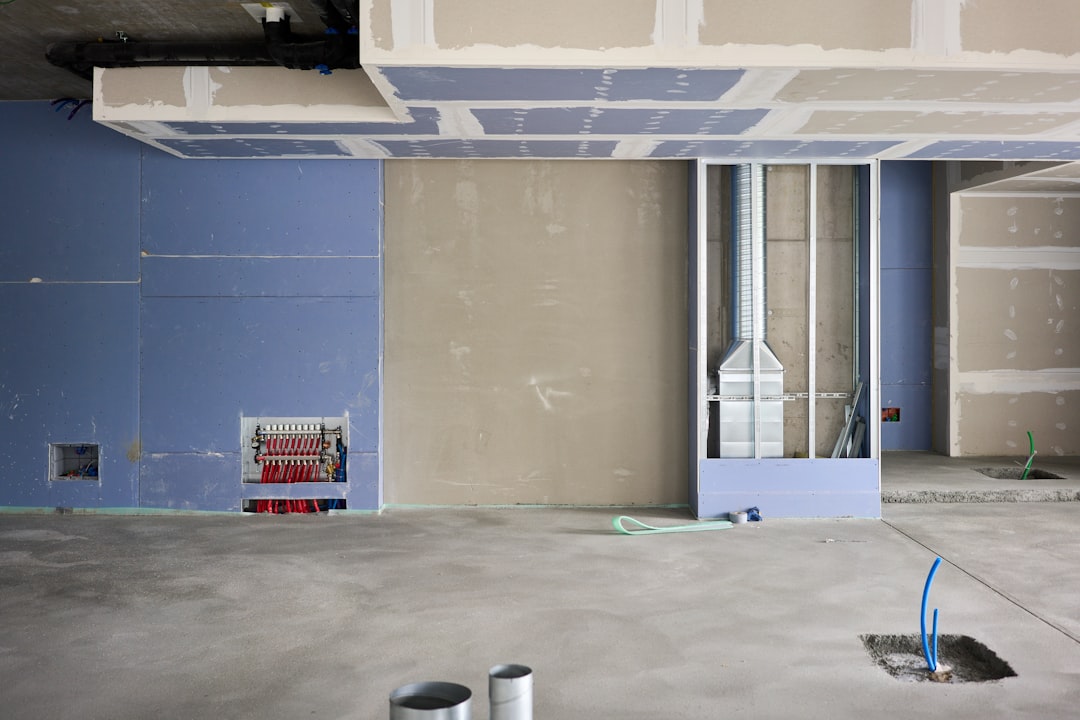
Drywall Installation
Home Renovations
Get the Hidden Work Right.
The Rest Follows.
Substrate Checked First
Floors are levelled and stiffened before a tray or a tile goes down, so nothing flexes and cracks a joint later.
Proper Tanking
Wet areas get a tanking system taken up the walls and into the corners, not a coat of sealant at the end.
Falls Set to the Gully
Wet-room floors are laid to a measured fall so water reaches the drain instead of pooling at the edge.
Certified Trades
Plumbing and electrical work is carried out by qualified operatives and certified on completion.
Extraction That Works
We size and site the extractor for the room, because ventilation is what stops mould returning.
Clean Working
Dust barriers, protected routes and a site cleared down daily while your bathroom is out of action.
Strip-Out to First Shower.
Survey & Discuss
We check the floor, the waste runs and the existing ventilation before suggesting anything.
Design & Quote
A layout, a specification and a fixed price with labour and materials listed separately.
Strip-Out & First Fix
Old suite out, floor made good, pipework and circuits moved to the new layout.
Tank & Tile
Waterproofing applied and cured, falls set, then tiling worked from the datum out.
Fit & Hand Over
Suite fitted, sealed, tested under running water and snagged before we leave.
Waterproofing taken into every corner and junction.
Why Bathrooms Fail, and How We Stop It
What a bathroom refit actually involves
Waterproofing is not the same as sealant
Ventilation, heat and mould
Living with one bathroom
How we price bathroom work
Frequently Asked Questions
How long does a bathroom refit take?
Will I be without a bathroom the whole time?
Do you tank the room or just tile it?
Can you convert a bathroom into a wet room?
Do you supply the suite and tiles?
Is the electrical and plumbing work certified?
Do you provide free estimates?
Still Have Questions? Let’s Talk.
Speak to the person who will actually run your bathroom job, not a call centre. We’ll talk it through and give you a straight answer.
New York, NY 10001
Request a Free Estimate
- Your information is secure and never shared.
From new construction to complete renovations, we deliver high-quality craftsmanship, on-time completion, and service you can trust.
Our Services
Get In Touch
- (212) 555-0188
- [email protected]
- 123 Construction Way, New York, NY 10001
-
Mon – Fri: 7:00 AM – 5:00 PM
Sat – Sun: 9:00 AM – 5:00 PM
© 2026 BuildRight Contracting. All rights reserved.