Home Renovations
Planned Properly. Run Properly.
- One Contractor, One Programme
- Structural Work Covered
- Staged Payment Schedule
- Live-In Friendly Sequencing
Request a Free Estimate
- Your information is secure and never shared.
Renovation Work, Sequenced Right
- Full Project Management Included
- Structural Calculations Arranged
- Written Programme With Dates
- Staged Payments Against Milestones
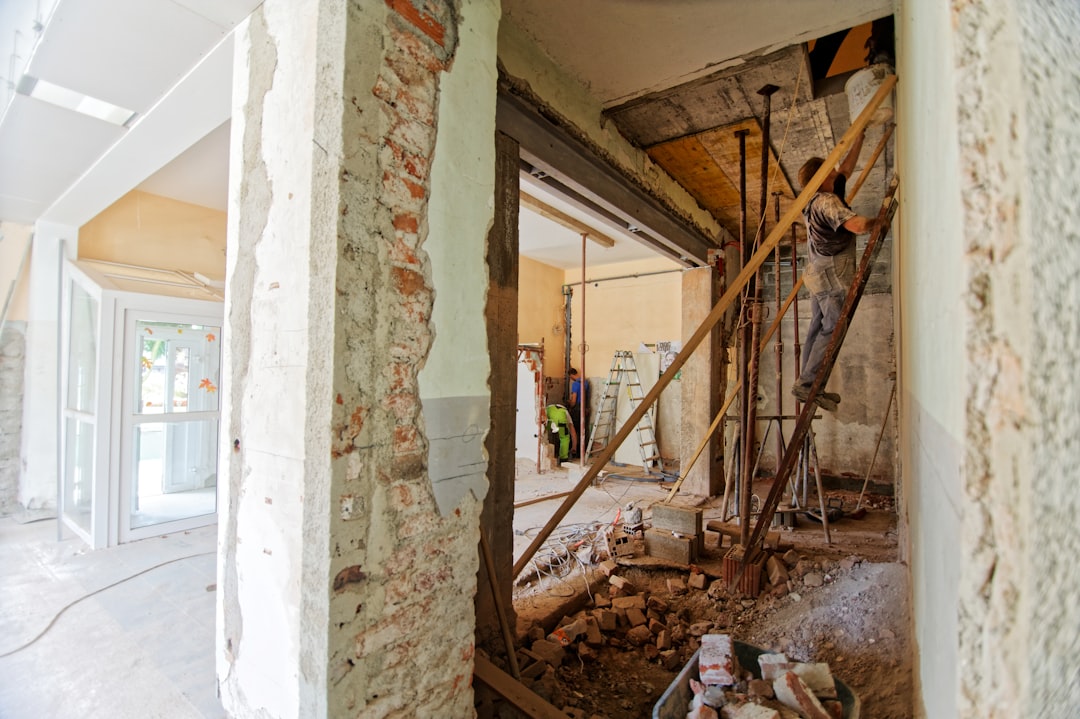
Whole-House
Renovation
Multi-Room
Refurbishment
Structural
Alterations
Period Property
Work
Related Services
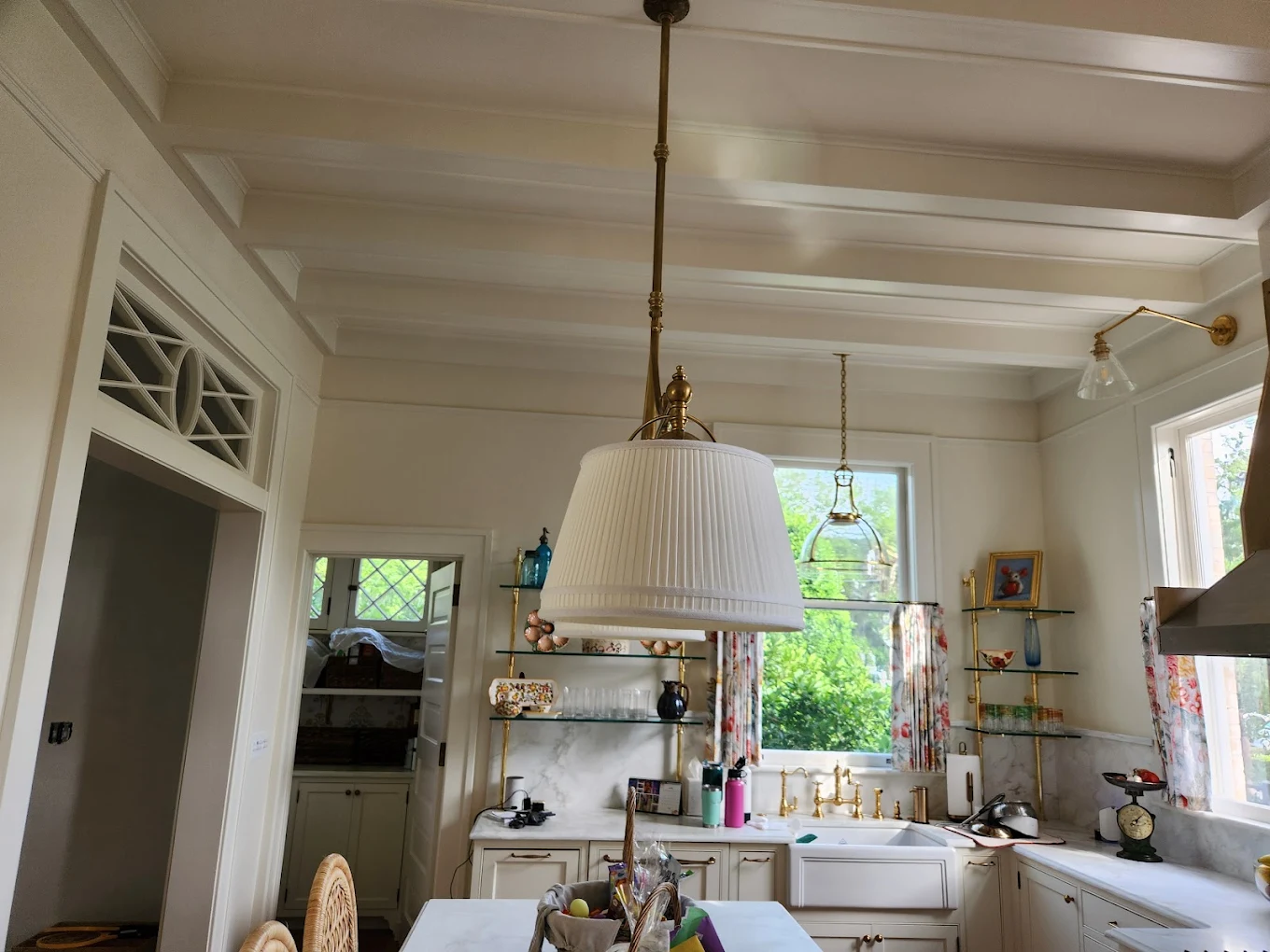
Home Addition Construction
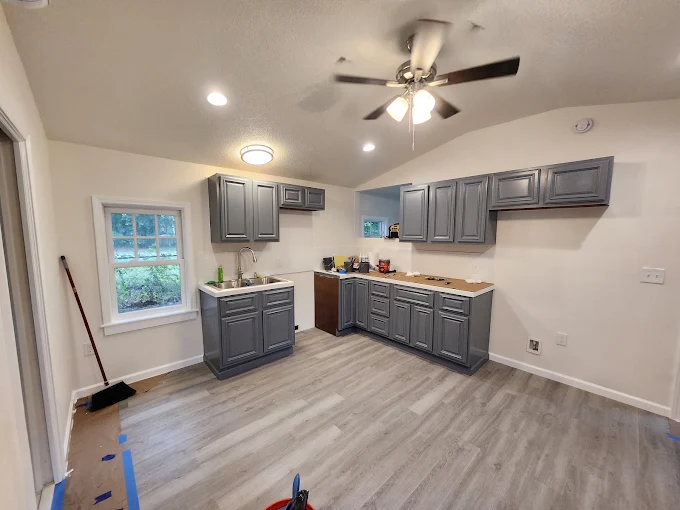
Kitchen Remodeling
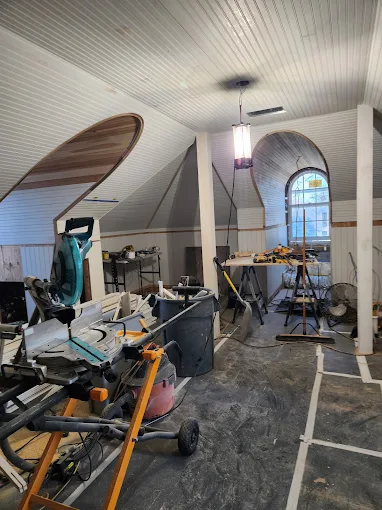
Interior Structural Repairs
General Construction
One Programme.
One Point of Contact.
Sequenced, Not Improvised
Every trade is booked against a written programme, so nobody turns up to a room that is not ready for them.
Structure Handled
Load-bearing changes are calculated, supported and signed off rather than worked around.
Surveyed Before Quoted
We open up and inspect where we can before pricing, so the quote reflects the house you actually own.
Staged Payments
Payments are tied to completed milestones, not to a calendar or an up-front lump sum.
Visible Progress
You get the programme at the start and an honest update when something moves, before you notice it yourself.
Liveable Sites
Where you are staying in the house we zone the work, protect routes and keep services running as long as possible.
From Survey to Handover.
Survey & Brief
We walk the property, open up where needed and agree what you actually want from it.
Design & Programme
Drawings, structural input where required, a specification and a dated programme.
Strip-Out & Structure
Demolition, structural alterations and everything that has to happen before first fix.
First Fix & Finishes
Services, boarding, plastering, joinery and second fix in their proper order.
Snag & Hand Over
A joint walk-round, a written snag list and certificates handed over on completion.
A quote built on what the house is, not what it looks like.
What Actually Decides Whether a Renovation Goes Well
Surveying before pricing
Structure and what it costs to change
Order of works
Living in the house while we work
How we price renovation work
Frequently Asked Questions
How long does a whole-house renovation take?
Can I stay in the house during the work?
Do you handle drawings, structural calculations and approvals?
How are payments structured?
What happens if you find something unexpected?
Do you use your own trades or subcontractors?
Do you provide free estimates?
Still Have Questions? Let’s Talk.
Speak to the person who will actually run your renovation, not a call centre. We’ll talk it through and give you a straight answer.
New York, NY 10001
Request a Free Estimate
- Your information is secure and never shared.
From new construction to complete renovations, we deliver high-quality craftsmanship, on-time completion, and service you can trust.
Our Services
Get In Touch
- (212) 555-0188
- [email protected]
- 123 Construction Way, New York, NY 10001
-
Mon – Fri: 7:00 AM – 5:00 PM
Sat – Sun: 9:00 AM – 5:00 PM
© 2026 BuildRight Contracting. All rights reserved.