General Construction
Managed From Ground to Handover.
- Groundworks to Completion
- Directly Employed Trades
- Written Programme & Milestones
- Full Site Management
Request a Free Estimate
- Your information is secure and never shared.
Construction Work Under One Contract
- Single Point of Responsibility
- Setting Out and Levels Checked Independently
- Materials Scheduled Against the Programme
- Site Kept Safe, Clean and Secure
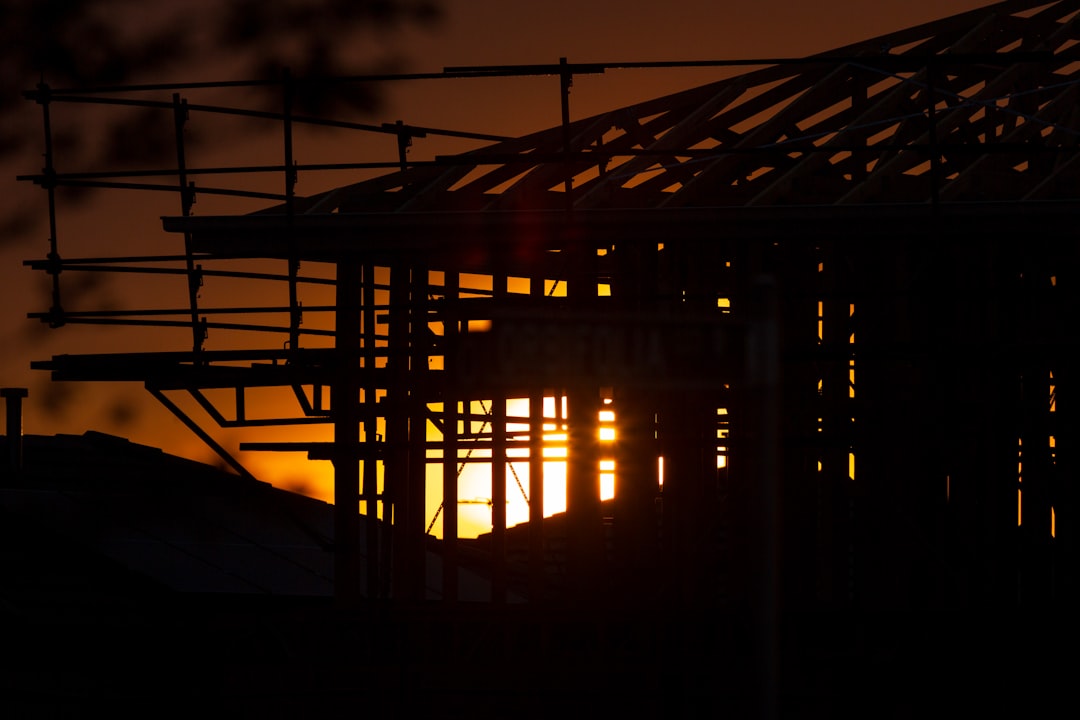
New Build
Projects
Commercial
Fit-Out
Groundworks &
Drainage
Structural
Alterations
Related Services

Home Addition Construction
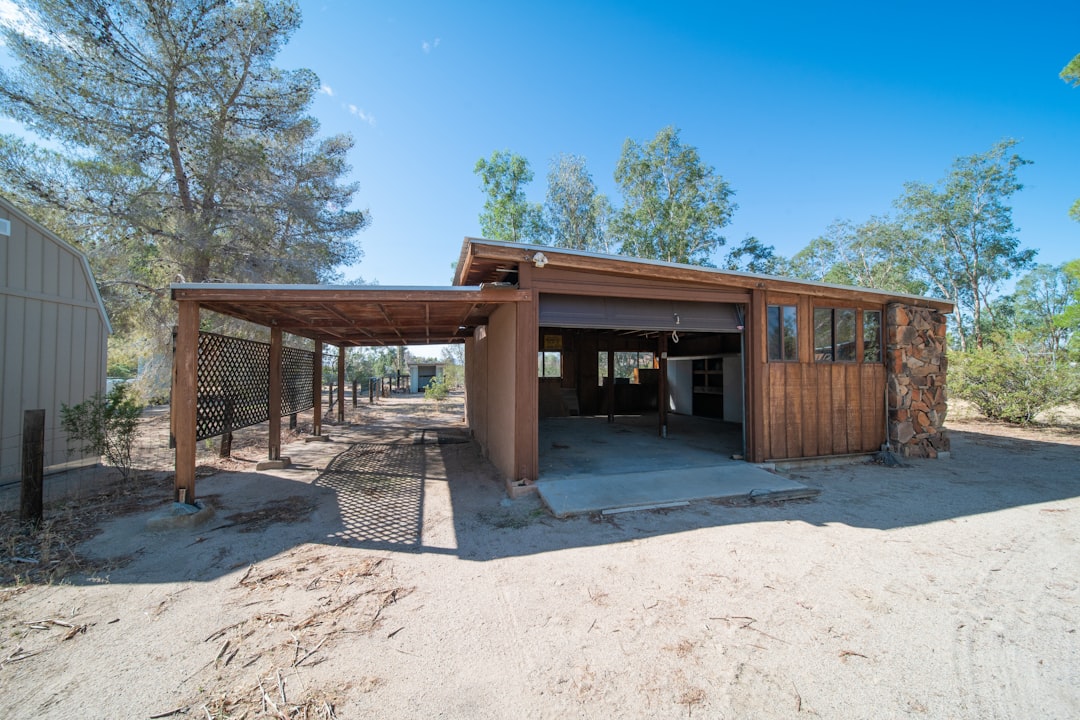
Accessory Building Construction
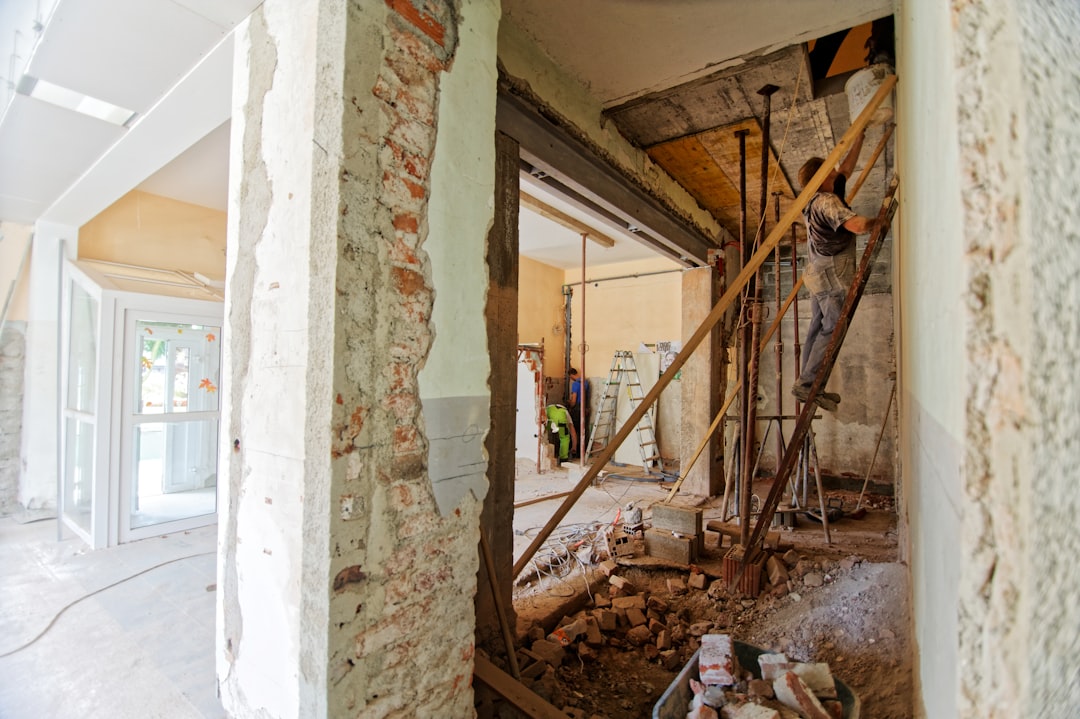
Home Renovations

Exterior Structural Repairs
Fewer Contractors.
Fewer Excuses.
Set Out Correctly
Levels and setting out are established and independently checked before concrete is poured.
One Programme
Every trade sits on a single dated schedule, so nobody arrives to a space that is not ready.
Materials Scheduled
Long-lead items are ordered against the programme rather than when they become urgent.
Site Management
A named site manager on the job, responsible for safety, sequence, deliveries and quality.
Milestone Payments
Payments follow completed and inspected stages, never a calendar or a lump sum up front.
Records Kept
Progress photographs, inspection records and certificates compiled and handed over at completion.
Setting Out to Sign-Off.
Survey & Tender
We price against drawings and a specification, with assumptions written down rather than assumed.
Programme & Procurement
Trades booked, long-lead materials ordered and the build sequence fixed with dates.
Groundworks & Structure
Setting out, foundations, drainage and the structural frame taken out of the ground.
Envelope & Services
Roof, cladding and glazing to weathertight, then first fix of every service.
Finishes & Handover
Second fix, finishes, commissioning, a joint inspection and a full document pack.
Setting out and levels verified independently on every pour.
What a Main Contractor Is Actually For
What we take on
Setting out, levels and why they get checked twice
Procurement and long-lead items
Running a safe and tidy site
How we price construction contracts
Frequently Asked Questions
What size of project do you take on?
Do you use your own labour or subcontractors?
How do you handle programme delays?
How are payments structured?
What happens with variations and extras?
Do you handle drainage and groundworks?
What do we get at handover?

Still Have Questions? Let’s Talk.
Speak to the person who will actually manage your site, not a call centre. We’ll talk it through and give you a straight answer.
New York, NY 10001
Request a Free Estimate
- Your information is secure and never shared.
From new construction to complete renovations, we deliver high-quality craftsmanship, on-time completion, and service you can trust.
Our Services
Get In Touch
- (212) 555-0188
- [email protected]
- 123 Construction Way, New York, NY 10001
-
Mon – Fri: 7:00 AM – 5:00 PM
Sat – Sun: 9:00 AM – 5:00 PM
© 2026 BuildRight Contracting. All rights reserved.