General Repairs
Small Jobs, Done Properly.

The repair and maintenance work that most contractors are too busy for, carried out by tradespeople who will tell you honestly whether it needs fixing or replacing.

Request a Free Estimate

Tell us what you need repaired, renovated, improved, or built, and we’ll help you determine the right next step for your project..

The Jobs That Keep Getting Postponed

Most houses accumulate a list. A door that catches, a section of rotten fascia, a loose handrail, a window that will not close properly, a patch of blown render. Individually none of them justifies calling a builder, and collectively they slowly get worse and more expensive.
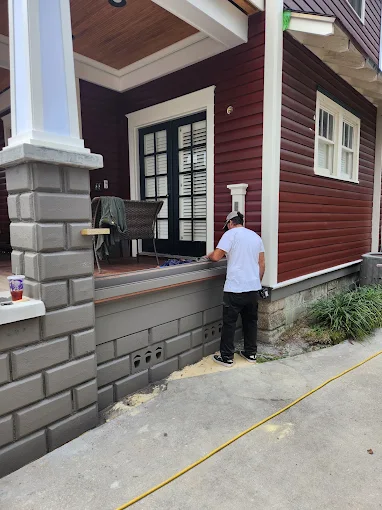
We take that list in one visit. Carpentry, masonry, minor structural work, external timber, doors and windows, guttering and general making good, quoted together so you are paying for one attendance rather than six.

Doors &
Windows

Timber &
Rot Repairs

Guttering &
Fascias

Making Good &
Maintenance

12+
Years Experience
350+
Projects Completed
98%
Client Satisfaction
100%
Quality Workmanship

Related Services

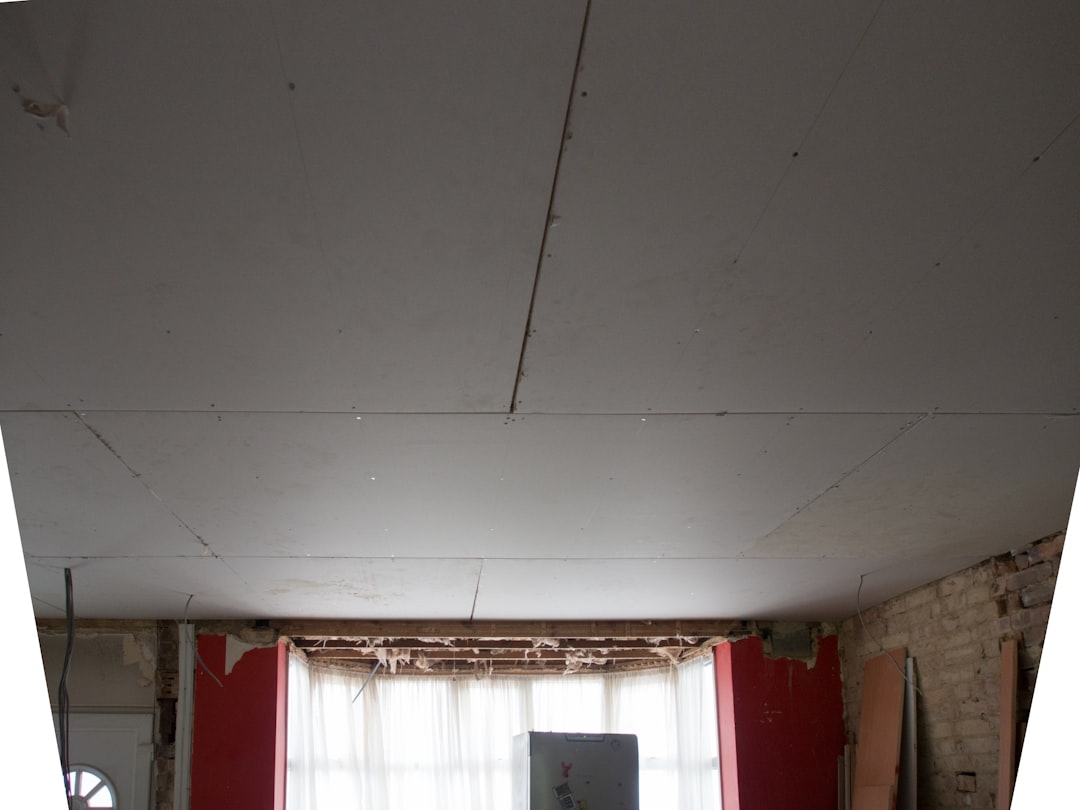
Internal wall opened up during building work ready for patching and making good

Drywall Repair

Cracks, holes and water damage cut back to sound material and finished so the patch disappears.
Learn More
External brick wall showing mortar joints and pointing

Exterior Structural Repairs

Walls, lintels and external structure repaired where movement or water has caused damage.
Learn More
Carpenter cutting and shaping a length of timber on site

Carpentry Services

Framing, trim, custom woodwork and fitted joinery built to fit the space.
Learn More

Waterproofing

Damp and moisture ingress traced to the cause and treated rather than covered over.
Learn More

One Visit.
The Whole List.

The economics of small work are all in the attendance. Group the jobs together and the cost per job falls sharply.

Batch the Work

Several small jobs in one visit costs far less than the same jobs booked separately.

Honest Assessment

We will tell you when a repair is a false economy and replacement is the better spend.

Cause, Not Symptom

Rotten timber and damp plaster get traced back to the water that caused them.

Quoted Up Front

A price before we start, from photographs where the job is clear enough to see.

Proper Materials

Treated timber, matched fixings and correct sealants rather than whatever is in the van.

Left Clean

Waste removed, surfaces protected and the area left tidy at the end of the visit.

List to Finished.

Five stages that keep small work quick without making it careless.
1

Send Your List

Photographs and a short description are usually enough for us to price most items.

2

Quote & Book

A written price per item, so you can include or drop anything you like.

3

Inspect on Arrival

A quick check of each job before starting, and a call if anything is worse than it looked.

4

Carry Out the Work

Repairs completed in one attendance wherever materials and access allow.

5

Check & Clear

Walk the list with you, remove waste and leave the areas clean.
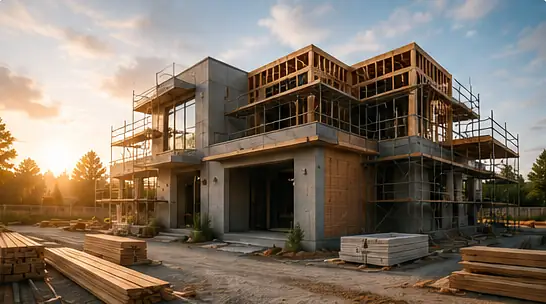
Two-storey home under construction with timber framing and scaffolding at sunset
The whole list, one attendance

Where the saving on small work actually comes from.

Why Small Jobs Cost More Than They Should

Small repairs have an awkward economics problem. The work itself might take forty minutes, but travel, parking, materials and setting up take the same time whether the job is small or large. That is why so many contractors quietly decline them, and why the ones who do turn up often charge what feels like a lot.

Batching is the answer

One attendance covering eight jobs costs dramatically less per job than eight separate visits. The travel is paid once, the materials are bought in one run and the setting up happens once. This is the single biggest lever you have on the cost of small work.
So it is genuinely worth waiting and writing a list. Walk the house, note everything including the things you have stopped noticing, and send it all at once. We would far rather quote fifteen items than one.

Repair or replace

Not everything is worth repairing. A single rotten section of fascia can be cut out and spliced. A whole run that has been wet for years cannot sensibly be patched, and repairing it is money spent twice. The same applies to doors that have dropped, windows that have failed and guttering that has been repaired repeatedly.
We will tell you which is which, including when the answer costs us the job. A repair we know will fail within a year is not worth the small amount of work it represents.

Rot, damp and finding the water

External timber does not rot on its own. There is always water arriving from somewhere: a blocked gutter, a failed seal, a splash from ground level, a missing drip detail. Replacing rotten timber without dealing with the source produces a repair that rots again on the same schedule.
We look for the source as part of the repair. Often the fix is trivial, a cleared gutter or an extended downpipe, and it turns a recurring cost into a one-off one.

What we will and will not take on

We handle carpentry, masonry, external timber, doors and windows, guttering, minor structural work and making good after other trades. If a job needs a gas or electrical qualification we will say so and, where we can, point you to someone we work with rather than attempting it.
We are also happy to say when a job is too small to be worth a visit on its own. If you have one loose hinge, we will tell you that honestly rather than charging you a call-out for it.

How we price small work

Repairs are priced per item, so you can see what each job costs and include or drop anything from the list. Where several items share materials or access, that saving is reflected in the total rather than kept.
Most small jobs can be quoted from clear photographs, which saves an unnecessary visit. Where something needs opening up before it can be priced honestly, we will say so rather than quoting a number we might have to change.

Frequently Asked Questions

The questions we are asked most often about small repairs, call-outs and pricing.

Is there a minimum job size?

Not a formal one, but the economics matter. A single small repair carries the same travel and setting-up cost as a full day, so one tiny job on its own is poor value for you. Group several together and the cost per job falls sharply.
For most small work, yes. Clear photographs, a wide shot for context and a rough measurement are usually enough. Anything where the extent of damage is hidden, such as rot behind a fascia, needs a look in person before we can price it honestly.
Carpentry, doors and windows, external timber and rot repairs, guttering and fascias, masonry and pointing, minor structural work, and making good after other trades. If a job needs a gas or electrical qualification we will tell you and point you elsewhere.
Yes, including when it costs us the work. A repair we expect to fail within a year is not a service worth selling, and we would rather you spent the money once on the right solution.
Small work is usually scheduled within a couple of weeks, and we batch jobs by area. If something is causing active damage, such as water getting in, tell us and we will prioritise it.
Yes. Surfaces are protected while we work, and waste and old materials leave with us rather than being left in the garden.
Yes. Send us your list with photographs and you will get a written price per item at no cost and with no obligation.
Bright white kitchen with large island and stainless appliances

Still Have Questions? Let’s Talk.

Speak to the person who will actually turn up, not a call centre. We’ll talk it through and give you a straight answer.

Call Us
(212) 555-0188
Office
123 Construction Way,
New York, NY 10001

Request a Free Estimate

Tell us what you need repaired, renovated, improved, or built, and we’ll help you determine the right next step for your project..
(212) 555-0188