Drywall Installation
Flat Walls, Ready to Paint.

Boarding, taping and finishing for new walls, ceilings and partitions, set out straight and finished to a level that does not show every time the light changes.

Request a Free Estimate

Tell us what you need repaired, renovated, improved, or built, and we’ll help you determine the right next step for your project..

Boarding and Finishing Done Once

Drywall is judged under raking light, which is a brutal test. A joint that looks fine on a cloudy afternoon will announce itself the moment the winter sun comes through a window at a low angle. That difference is set by the framing and the finishing, not by the board.
We set out framing straight and plumb, board with the correct type for the room, tape and fill in proper stages with drying time between them, then sand to a consistent finish. New partitions, ceilings, dry lining and making good after structural work are all handled.
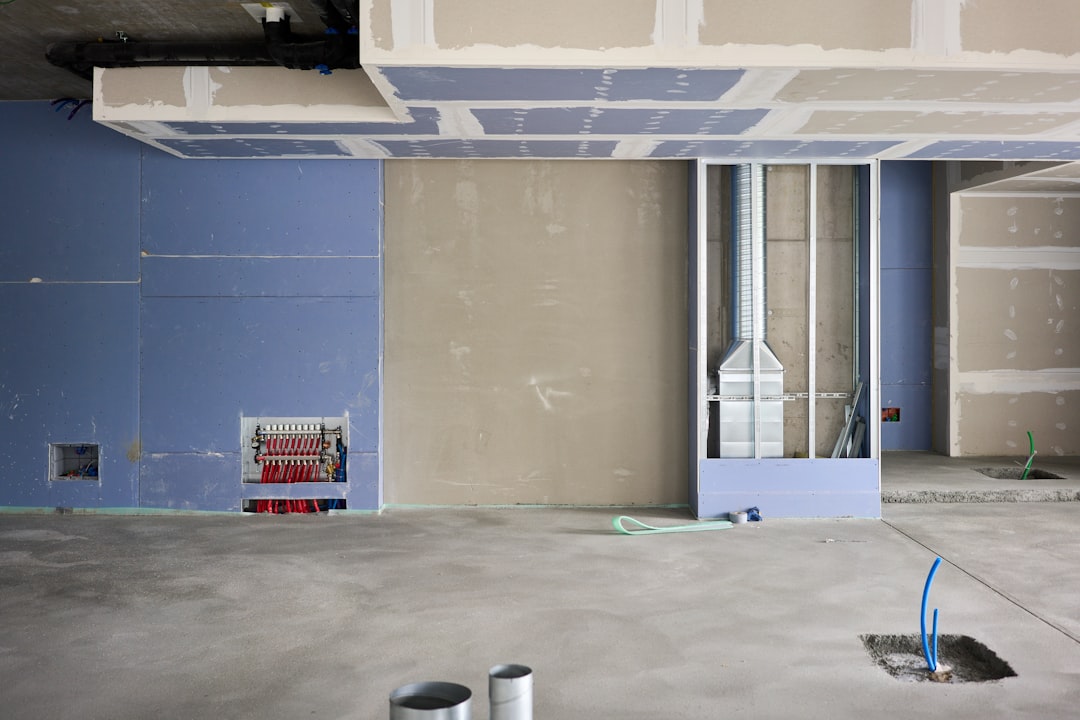
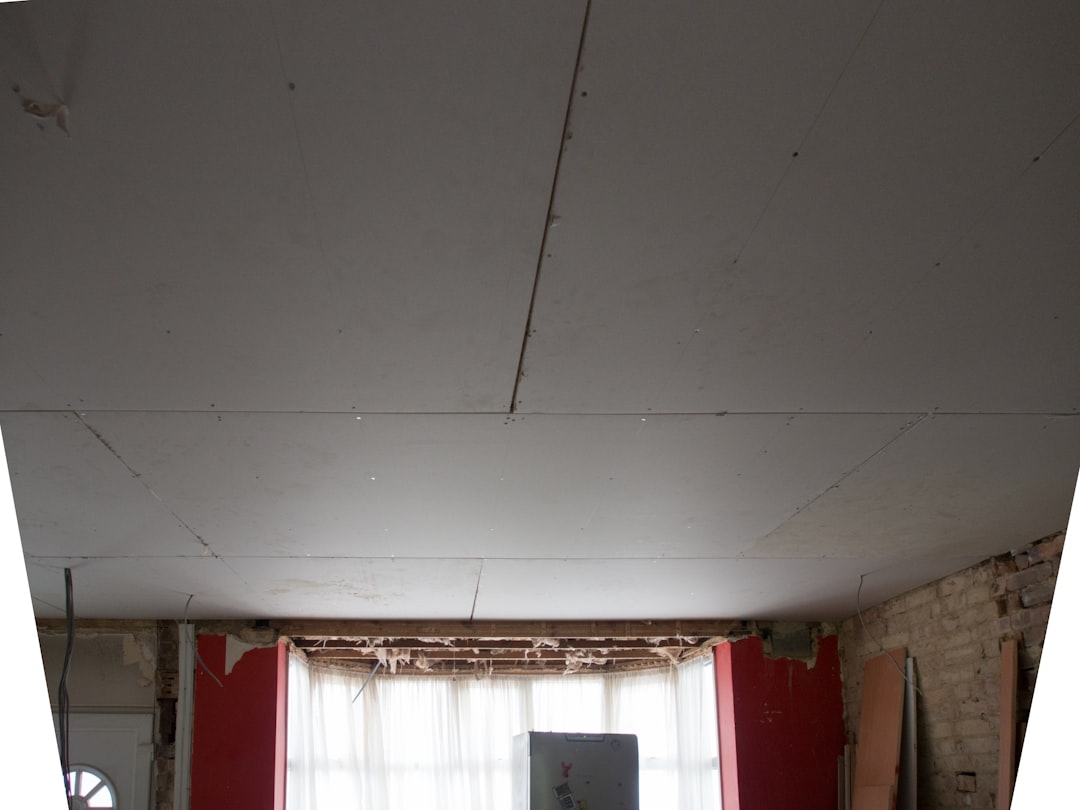
Room boarded out in plasterboard ready for taping and finishing

Stud Walls &
Partitions

Ceilings &
Bulkheads

Dry Lining &
Insulation

Taping &
Finishing

12+
Years Experience
350+
Projects Completed
98%
Client Satisfaction
100%
Quality Workmanship

Related Services

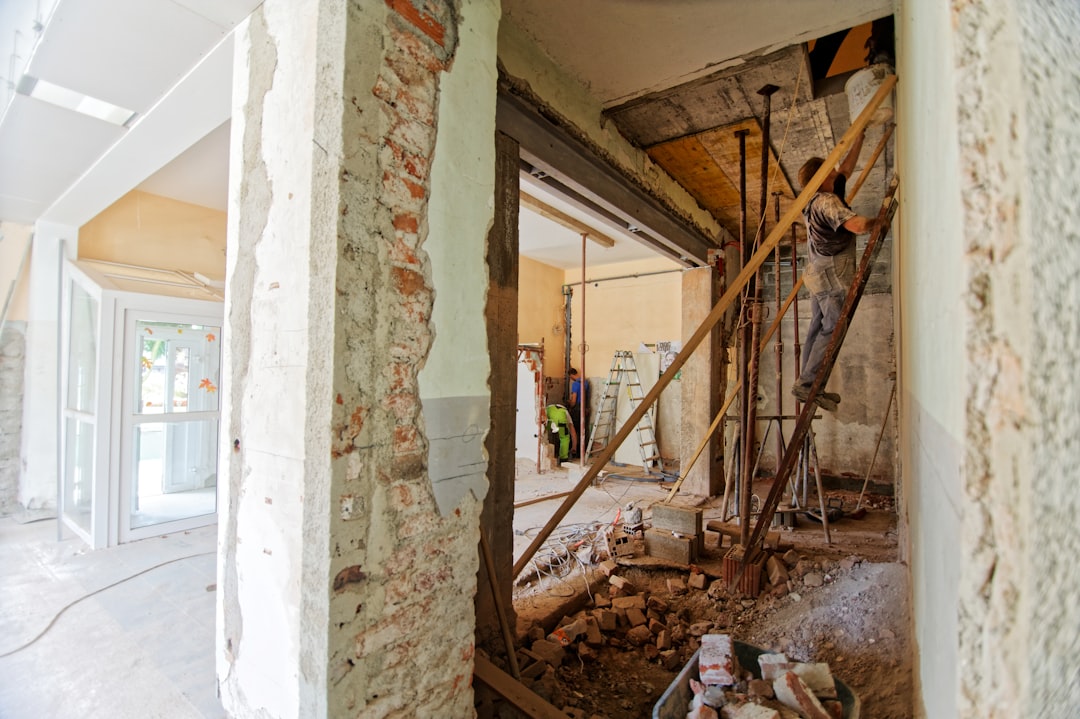
Internal wall opened up during building work ready for patching and making good

Drywall Repair

Cracks, holes and damaged board cut back to a sound edge and finished so the repair disappears.
Learn More
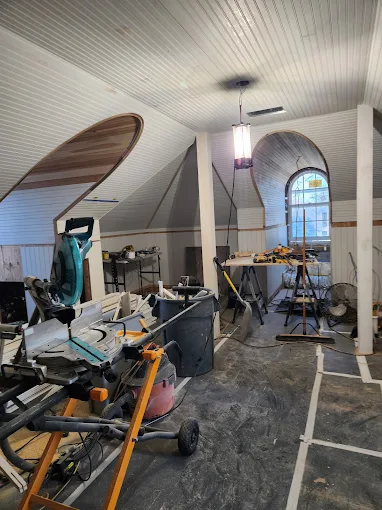
Interior mid-renovation showing finished and unfinished work side by side

Home Renovations

Whole-house and multi-room renovation work run on one programme with one point of contact.
Learn More

Interior Structural Repairs

Joists, lintels and internal structure put right where a building has moved or been altered badly.
Learn More
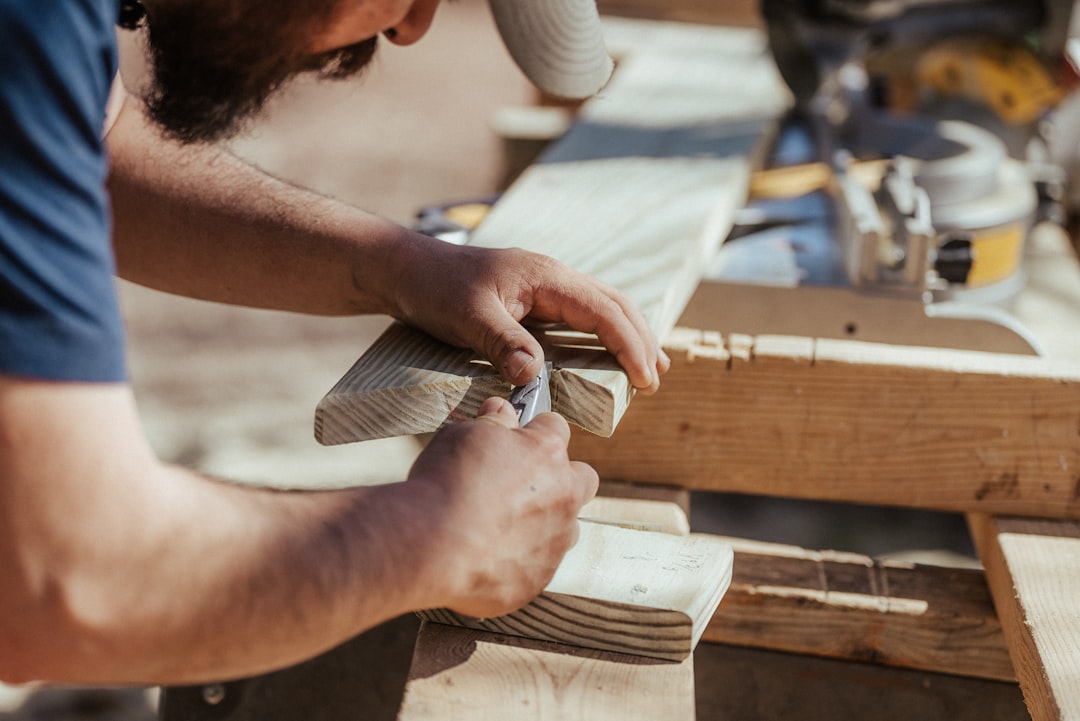
Carpenter cutting and shaping a length of timber on site

Carpentry Services

Framing, trim and fitted joinery built to fit the room rather than filled to hide a gap.
Learn More

Straight Framing.
Invisible Joints.

You cannot finish your way out of crooked framing. Everything that makes a wall look right happens before the first board goes up.

Framing First

Studs set out plumb, square and at correct centres, with noggins where fixings will be needed.

Right Board, Right Room

Moisture-resistant in bathrooms, fire-rated where required, acoustic board where sound matters.

Taped Properly

Joints are taped and built up in stages with drying time, rather than filled thick in one pass.

Fixings Planned

Noggins go in for radiators, TVs, cabinets and rails before the wall is closed up.

Sound and Insulation

Acoustic insulation and correct detailing where a partition needs to actually stop noise.

Dust Controlled

Extraction on the sanders and sheeted routes, because drywall dust travels through a whole house.

Framing to Paint-Ready.

Five stages, each needing the one before it to be dry and correct.
1

Survey & Set Out

We check existing levels and mark out the framing before anything is fixed.

2

Frame & Services

Studwork built, noggins fitted and any cables or pipes run before boarding.

3

Insulate & Board

Insulation fitted, then boards cut and fixed with staggered joints.

4

Tape & Fill

Joints taped and built up over successive coats with proper drying between them.

5

Sand & Hand Over

Sanded flat with dust extraction, checked under raking light and cleared down.

Room boarded out in plasterboard ready for taping and finishing
Checked under raking light

The only honest test of a finished wall.

Why Some Walls Look Flat And Others Do Not

Two walls can be built from identical materials by two different people and look nothing alike once the paint is on. The variables are all in the preparation and the patience: how straight the framing is, whether the right board went up, and whether anyone was willing to wait for a coat to dry before applying the next one.

Framing decides the finish

A stud that is twisted, bowed or out of plumb transfers straight through the board to the finished surface, and no amount of filler will hide it. We check timber before it goes up, set out from a proper line, and pack or replace anything that is not straight enough to build against.
Centres matter too. Studs set too far apart let the board flex between them, which shows as a subtle waviness across a wall and eventually as cracked joints. We set out to the board specification rather than to whatever saves a length of timber.

Choosing the right board

Standard board is fine for most walls and completely wrong in others. Bathrooms and utility rooms need moisture-resistant board. Walls to a garage, or protecting a means of escape, need the correct fire rating. Party walls and bedroom partitions benefit from acoustic board and insulation.
Board thickness matters for ceilings in particular, where the wrong specification will sag between joists over a few years. We specify by room and by function rather than boarding a whole job in one type because it is simpler to order.

Taping, filling and drying time

A good joint is built up in thin coats over several visits, each one wider than the last and each one allowed to dry fully before the next. Rushing that, or trying to fill a joint in one thick pass, produces shrinkage cracks and a visible ridge along every seam.
This is why finishing takes longer than boarding. The physical work is quick, the waiting is not, and a programme that does not allow for drying time will produce a wall that looks acceptable on handover day and poor by the following spring.

Planning for what goes on the wall later

A stud wall with no noggins in it is a problem waiting to happen. Wall-mounted televisions, radiators, kitchen units, handrails, bathroom fittings and shelving all need something solid behind the board, and adding it afterwards means cutting the wall open again.
We ask what is going where before we close a wall up and fix noggins accordingly. It costs a few lengths of timber during the build and saves considerable mess later.

How we price drywall work

Boarding and finishing are usually priced by area against a named board specification and finish level, with framing, insulation, boarding and taping itemised separately so you can see where the cost sits.
Making good after structural work is priced as a separate item because it is genuinely different work. Patching into an existing wall means matching an old surface and often stripping back further than the original damage to find a sound edge.

Frequently Asked Questions

The questions we are asked most often about drywall, finishing and timings.

How long does drywall work take?

Boarding is fast, finishing is not. A single room might be framed and boarded in a day or two, but taping and filling needs several coats with drying time between each, so the finished job usually runs four to seven days. Anyone promising a finished wall the day after boarding is skipping drying time.
Yes. Thermal insulation to external walls and acoustic insulation to partitions are fitted as part of the work, before boarding. Where sound is the concern we will also talk about the detailing, because insulation alone does not stop noise flanking around a partition.
Yes, and it is a different job from new boarding. We cut back to a sound edge, which is often further than the visible damage, then build the joint up in coats so the repair does not telegraph through the paint.
Less than you fear, but not none. We use dust extraction on the sanders, seal the working area and protect routes through the house. Drywall dust is extremely fine and travels, so containment matters more than cleaning up afterwards.
Yes, if you tell us where things are going. Ask before the wall is closed up, because adding solid fixing afterwards means opening the board again.
It is sanded flat, checked under raking light and ready for a mist coat. New plasterboard and filler are porous and need a thinned first coat, which we can either do or leave for your decorator.
Yes. We measure up, confirm the board specification and provide a written itemised quote at no cost and with no obligation.
Bright white kitchen with large island and stainless appliances

Still Have Questions? Let’s Talk.

Speak to the person who will actually do the work, not a call centre. We’ll talk it through and give you a straight answer.

Call Us
(212) 555-0188
Office
123 Construction Way,
New York, NY 10001

Request a Free Estimate

Tell us what you need repaired, renovated, improved, or built, and we’ll help you determine the right next step for your project..
(212) 555-0188