Exterior Structural Repairs
Stop the Water. Then Repair.
- Water Ingress Traced
- Masonry and Lintel Work
- Structural Timber Repairs
- Matched Materials
Request a Free Estimate
- Your information is secure and never shared.
External Repairs That Address the Cause
- Lintel Replacement and Support
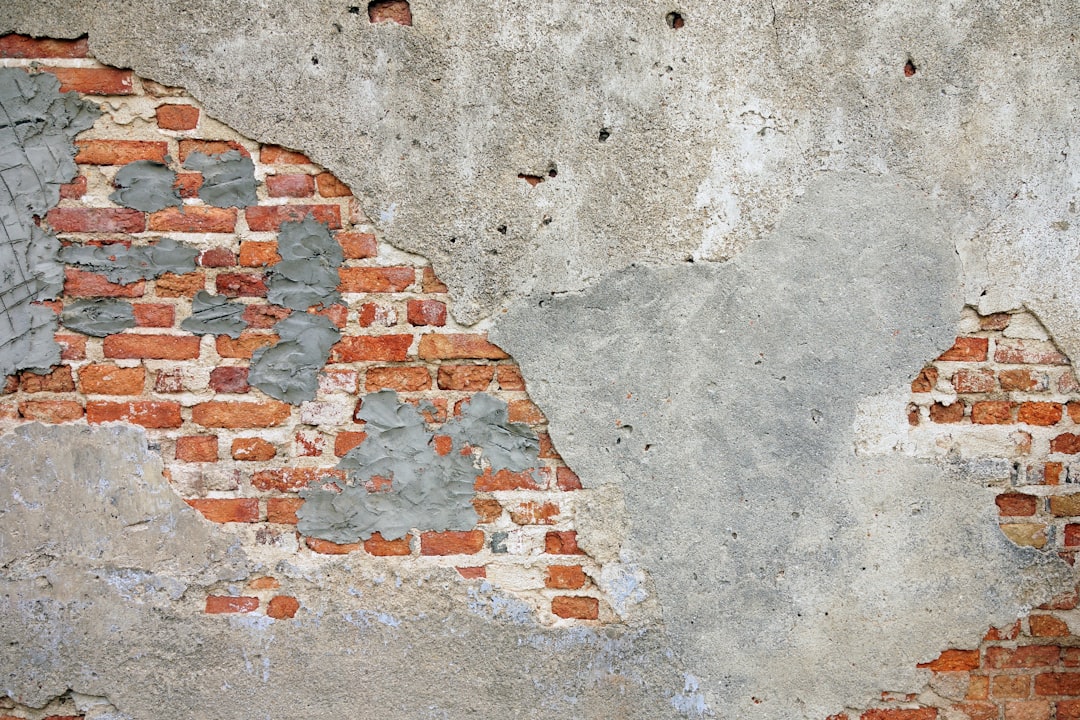
- Repointing and Rebuilding Masonry
- Wall Plate and Rafter Foot Repairs
- Flashing and Detailing Corrected
Lintels &
Openings
Masonry &
Pointing
Structural
Timber
Roof Structure
& Eaves
Related Services
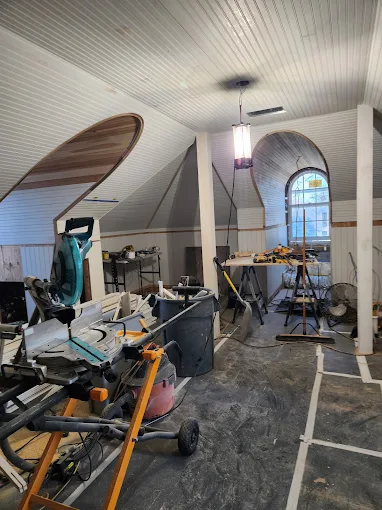
Interior Structural Repairs
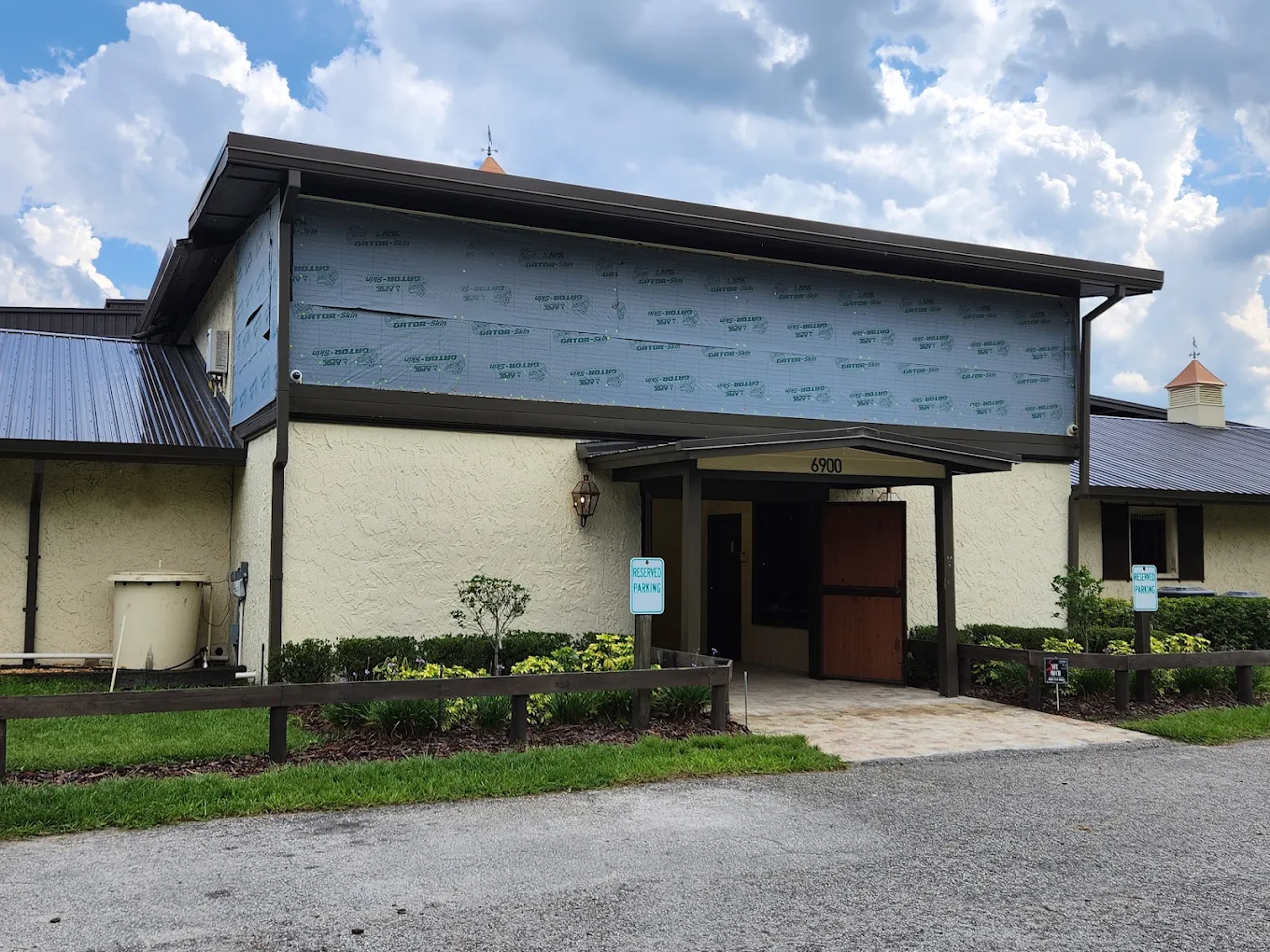
Waterproofing
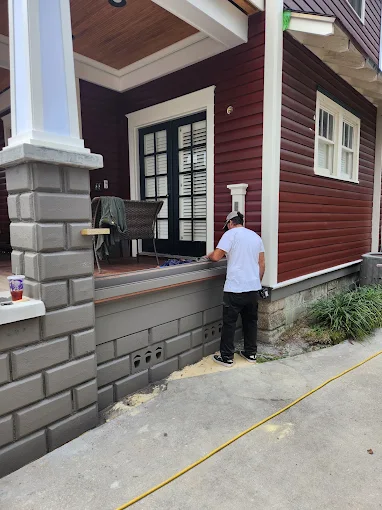
General Repairs
General Construction
Fix the Detail.
Then the Damage.
Water Traced First
We find the route the water is taking before deciding what the repair should be.
Correct Support
Masonry is needled and propped properly before a lintel or a section of wall is removed.
Materials Matched
Brick, stone and mortar matched to the original, including mortar strength on older buildings.
Details Corrected
Flashings, trays, drips and throats put right so the wall can shed water as intended.
Timber Cut Back Sound
Rotten structural timber is cut back past the damage and spliced or replaced, not treated in place.
Access Done Safely
Proper scaffold or access equipment rather than working off a ladder at height.
Survey to Weathertight.
Survey & Trace
We identify where water is entering and how far the damage has travelled.
Specify & Quote
A written repair specification with structural input where the work needs it.
Access & Support
Scaffold erected and temporary support installed before anything is removed.
Repair the Structure
Lintels, masonry, timber or bearings repaired or replaced to specification.
Detail & Finish
Flashings, pointing and drainage corrected, then made good and cleared down.
Masonry above an opening carries load long before a lintel does.
Water, Time and What They Do to a Building
Lintels and what fails above an opening
Cracked, bulging and delaminating masonry
Structural timber at the wall head
Matching materials on older buildings
How we price exterior structural work
Frequently Asked Questions
There is a crack above my window. What causes that?
My wall is bulging outwards. Is that serious?
Do I need scaffolding?
Can you match my existing brickwork and pointing?
Will you find where the water is getting in?
How do I know if the movement has stopped?
Do you provide free estimates?
Still Have Questions? Let’s Talk.
Speak to the person who will actually assess the building, not a call centre. We’ll talk it through and give you a straight answer.
New York, NY 10001
Request a Free Estimate
- Your information is secure and never shared.
From new construction to complete renovations, we deliver high-quality craftsmanship, on-time completion, and service you can trust.
Our Services
Get In Touch
- (212) 555-0188
- [email protected]
- 123 Construction Way, New York, NY 10001
-
Mon – Fri: 7:00 AM – 5:00 PM
Sat – Sun: 9:00 AM – 5:00 PM
© 2026 BuildRight Contracting. All rights reserved.