Exterior Structural Repairs
Stop the Water. Then Repair.

Failed lintels, cracked and bulging masonry, rotten structural timber and damaged roof structure, traced to the cause and repaired so the same failure does not return.

Request a Free Estimate

Tell us what you need repaired, renovated, improved, or built, and we’ll help you determine the right next step for your project..

External Repairs That Address the Cause

External structural damage is almost always water plus time. Something has been letting water into a wall, a timber or a bearing for years, and the crack or the sag you can see is the late symptom rather than the problem.
We find where the water is getting in, stop it, then repair the structure it damaged. Lintels, cracked and bulging masonry, wall ties, rotten wall plates and rafter feet, and the pointing and detailing that let the water in to begin with.
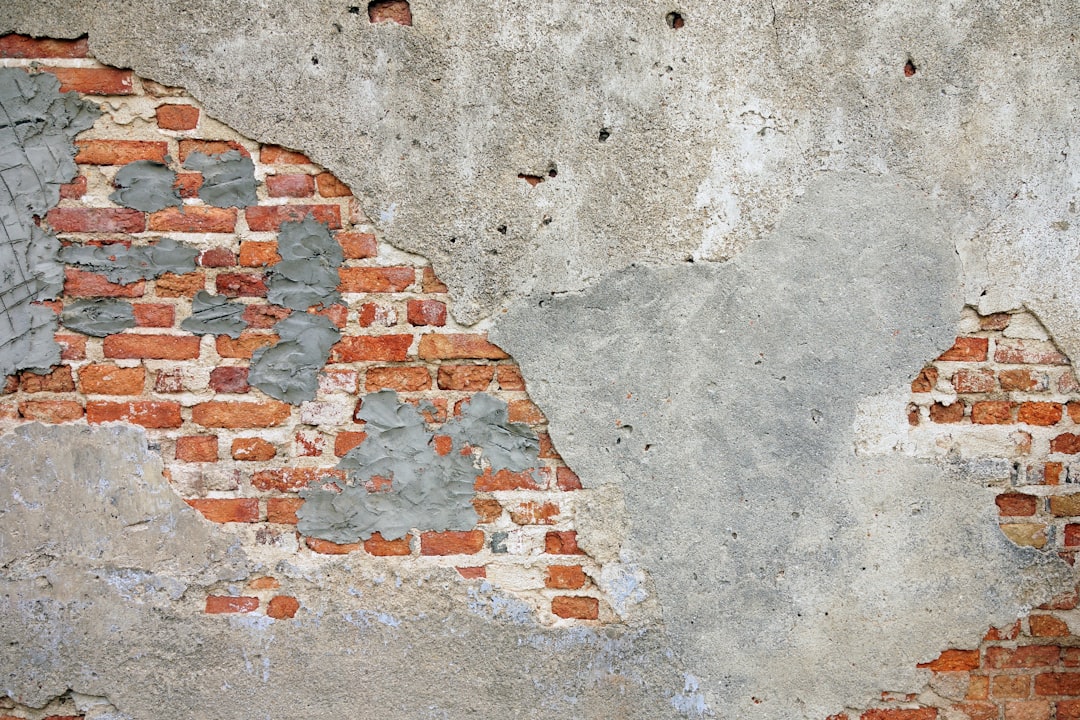
External brick wall showing mortar joints and pointing

Lintels &
Openings

Masonry &
Pointing

Structural
Timber

Roof Structure
& Eaves

12+
Years Experience
350+
Projects Completed
98%
Client Satisfaction
100%
Quality Workmanship

Related Services

Interior Structural Repairs
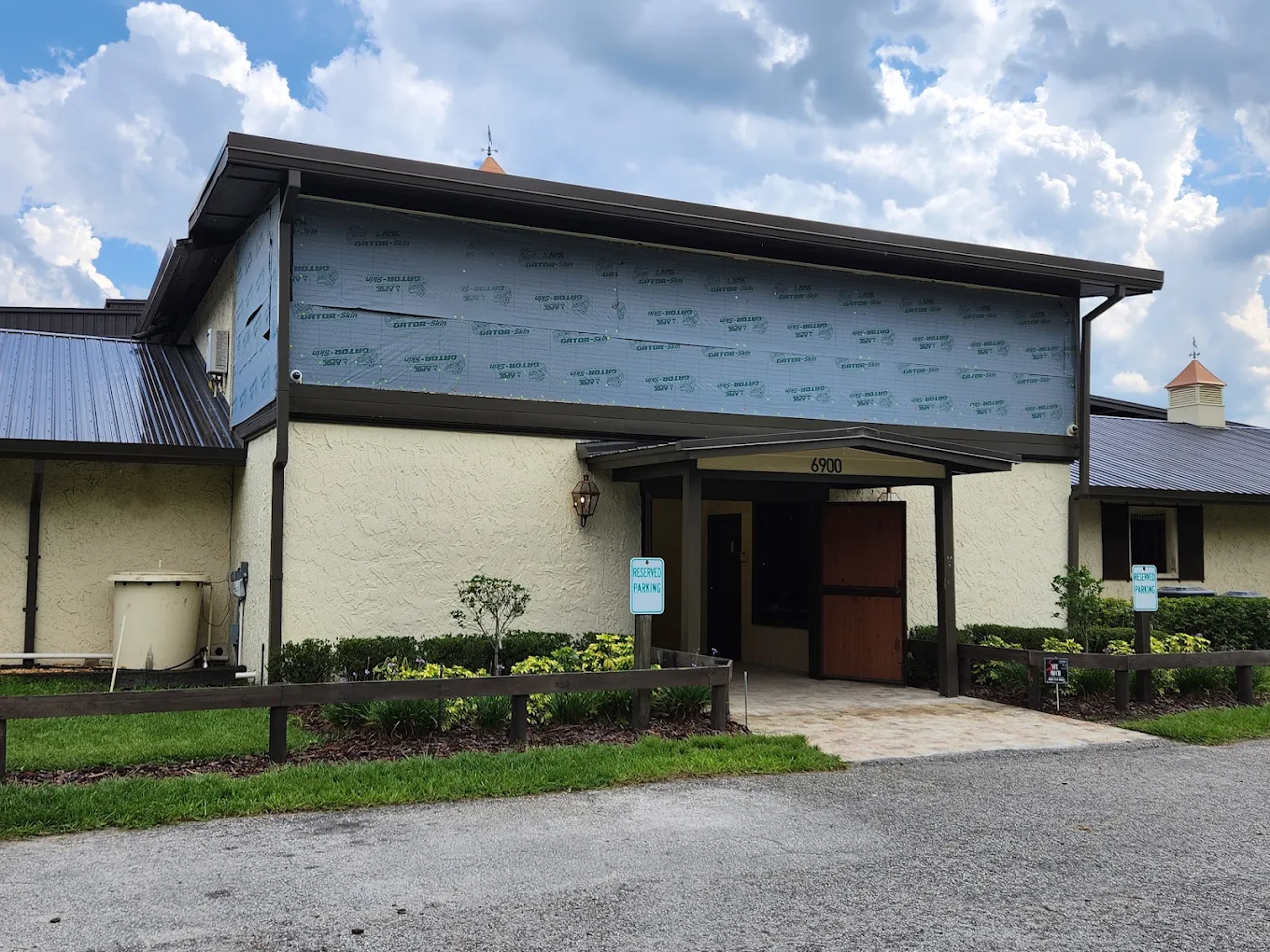
Joists, lintels and internal structure put right where a building has moved or been altered badly.
Learn More

Waterproofing

Damp and moisture ingress traced to the cause and treated rather than covered over.
Learn More

General Repairs

Smaller repair and maintenance work handled properly rather than patched over.
Learn More
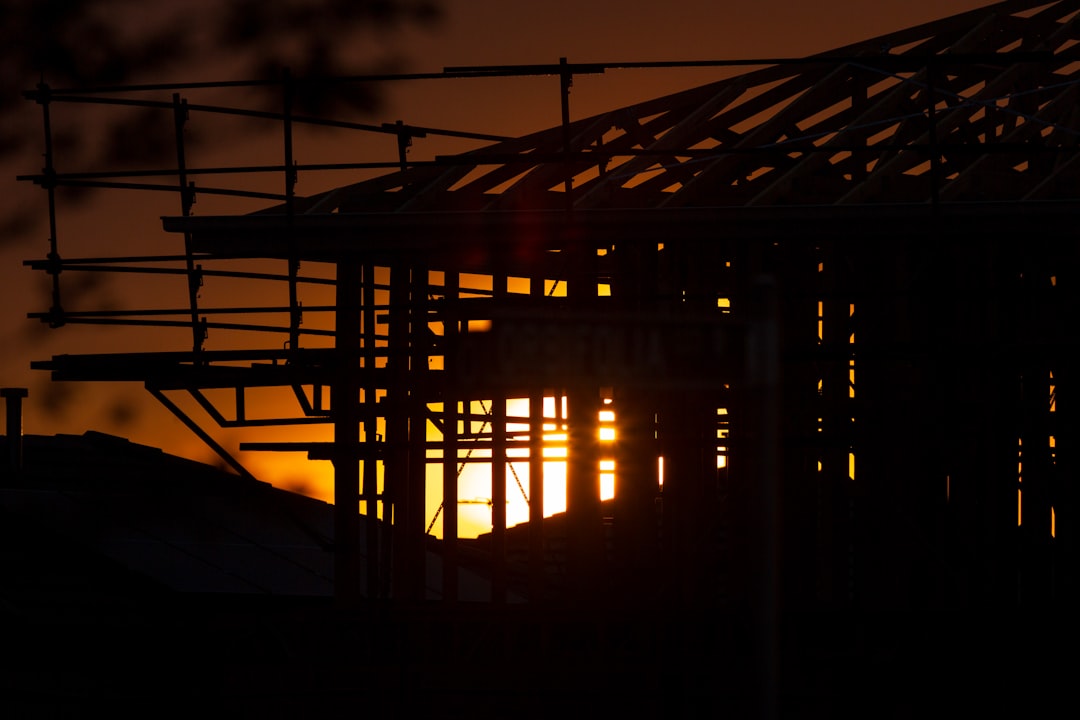
Timber-framed new build under construction with trades working on site

General Construction

New build and larger construction projects managed from groundworks through to handover.
Learn More

Fix the Detail.
Then the Damage.

Repairing rotten timber without finding the leak just tells you where the leak is again in three years.

Water Traced First

We find the route the water is taking before deciding what the repair should be.

Correct Support

Masonry is needled and propped properly before a lintel or a section of wall is removed.

Materials Matched

Brick, stone and mortar matched to the original, including mortar strength on older buildings.

Details Corrected

Flashings, trays, drips and throats put right so the wall can shed water as intended.

Timber Cut Back Sound

Rotten structural timber is cut back past the damage and spliced or replaced, not treated in place.

Access Done Safely

Proper scaffold or access equipment rather than working off a ladder at height.

Survey to Weathertight.

Five stages that deal with the cause and the consequence in the right order.
1

Survey & Trace

We identify where water is entering and how far the damage has travelled.

2

Specify & Quote

A written repair specification with structural input where the work needs it.

3

Access & Support

Scaffold erected and temporary support installed before anything is removed.

4

Repair the Structure

Lintels, masonry, timber or bearings repaired or replaced to specification.

5

Detail & Finish

Flashings, pointing and drainage corrected, then made good and cleared down.

External brick wall showing mortar joints and pointing
Needled before it was opened

Masonry above an opening carries load long before a lintel does.

Water, Time and What They Do to a Building

Buildings are designed to shed water. Almost every external structural failure we are asked to repair started when some small part of that system stopped working: a blocked gutter, a failed flashing, pointing that had eroded, a drip detail that was never formed. The structural damage arrives years later.

Lintels and what fails above an opening

Older properties frequently have timber or shallow steel lintels that were adequate when dry and are not once water has reached them. The signs are cracking stepping up from the corners of a window, a sag in the brick course above, or a window frame that has started to bind because load is bearing onto it.
Replacing a lintel means supporting the masonry above it with needles and props before anything is cut out. The wall above an opening carries itself in an arch of sorts, and disturbing it without support is how a window opening becomes a hole in the elevation.

Cracked, bulging and delaminating masonry

Cracks in external walls have many causes: foundation movement, thermal expansion in a long unrestrained run, failed wall ties in a cavity wall, or simply a lintel giving way. Bulging usually points to wall ties that have corroded, letting the outer leaf move independently of the inner one.
Each has a different repair, and the diagnosis matters more than the workmanship. We establish whether movement is historic or active before deciding, because rebuilding a section of wall that is still moving is money spent twice.

Structural timber at the wall head

Wall plates and rafter feet sit at the top of a wall, right where water from a failed gutter or a blocked outlet lands. Rot there is common, hidden and structurally significant, because that is the point where the roof transfers its load into the walls.
Repair means cutting back well past the visible damage to sound timber, splicing or replacing, and fixing the water problem in the same visit. We also check the wall head below, because timber that has been wet for years usually has damp masonry underneath it.

Matching materials on older buildings

Mortar strength matters more than colour on an older property. Repointing soft historic brickwork with a hard cement mortar traps moisture in the brick, and the brick face then spalls off in the first hard frost. It is an extremely common and extremely damaging mistake.
We match mortar to the substrate rather than to habit, and we sample brick and stone against the original before ordering. Where an exact match is not available we discuss the options with you rather than proceeding and presenting the result.

How we price exterior structural work

Access is a real cost on external work and we set it out separately, because scaffold serving one repair is expensive while scaffold serving three repairs at once is good value. If you have other high-level work pending, tell us and we will price it together.
The extent of rot or masonry damage cannot always be seen until access is up and the area is opened. We quote against what we can establish, name the assumptions in writing, and agree rates for additional extent in advance so nothing arrives as a surprise.

Frequently Asked Questions

The questions we are asked most often about external cracking, lintels and masonry repair.

There is a crack above my window. What causes that?

Most often a failed or undersized lintel, particularly where water has reached a timber or shallow steel one. Cracking that steps up diagonally from the corners of an opening is the classic sign. It needs looking at rather than filling, because filler over a moving crack lasts one season.
It can be. Bulging in a cavity wall usually means the wall ties have corroded and the outer leaf is no longer tied to the inner one. That is repairable, but it should be assessed rather than watched, because the failure mode is not gradual once it progresses.
For anything at height, yes. Proper access is safer and produces better work than repairs carried out from a ladder. Because access is a significant cost in its own right, it is worth grouping any other high-level work into the same visit.
We sample against the original before ordering, and we match mortar strength to the substrate rather than defaulting to a standard mix. On older soft brickwork, using a hard cement mortar traps moisture and damages the brick faces, so this genuinely matters.
That is the first thing we do. Repairing rotten timber or damaged masonry without stopping the water simply resets the clock on the same failure, so tracing the ingress is part of the job rather than an optional extra.
Sometimes it is obvious from the crack itself, and sometimes it needs monitoring over a period before committing to a repair. Where that is the case we will tell you, because rebuilding a section of wall that is still moving wastes your money.
Yes for the initial assessment. Where the extent of damage cannot be established without access or opening up, we quote that investigation separately and tell you the cost before we start.
Bright white kitchen with large island and stainless appliances

Still Have Questions? Let’s Talk.

Speak to the person who will actually assess the building, not a call centre. We’ll talk it through and give you a straight answer.

Call Us
(212) 555-0188
Office
123 Construction Way,
New York, NY 10001

Request a Free Estimate

Tell us what you need repaired, renovated, improved, or built, and we’ll help you determine the right next step for your project..
(212) 555-0188