Drywall Repair
Fixed So It Stops Coming Back.
- Cause Diagnosed First
- Cut Back to Sound Board
- Feathered, Invisible Finish
- Small Jobs Welcome
Request a Free Estimate
- Your information is secure and never shared.
Repairs That Do Not Reappear
- Movement and Damp Investigated
- Damaged Board Removed, Not Filled Over
- Patches Backed and Supported
- Finish Feathered Well Beyond the Repair
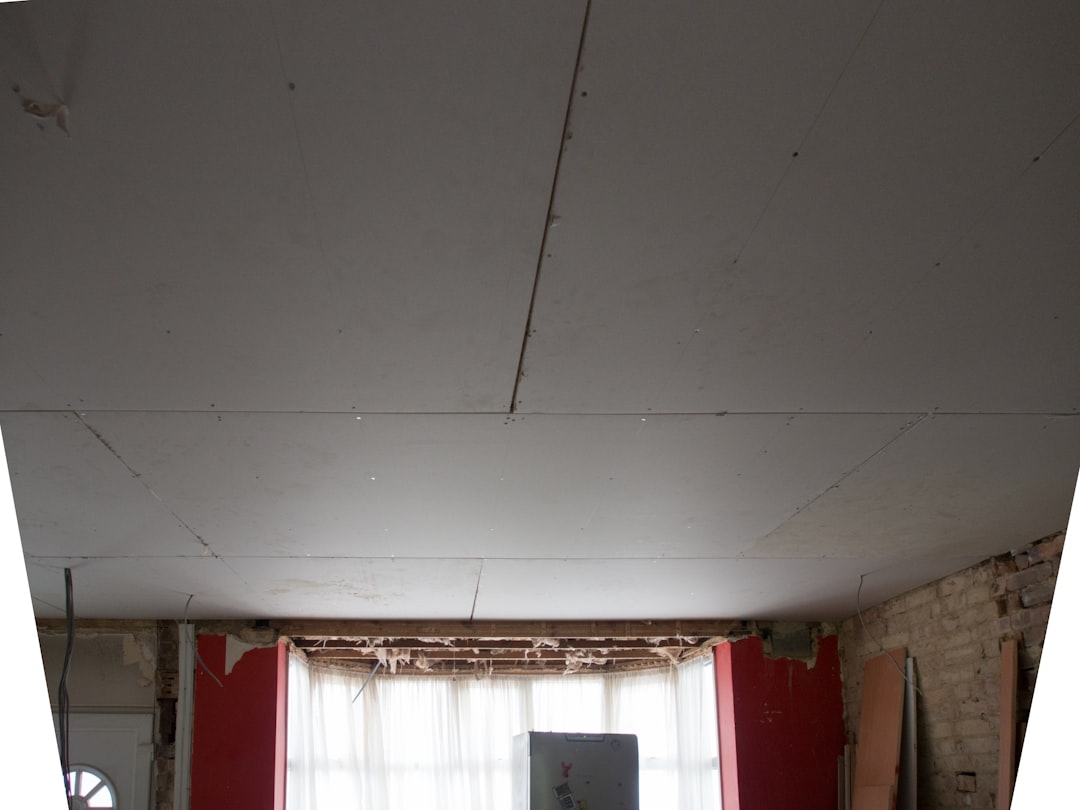
Cracks &
Failed Joints
Holes &
Impact Damage
Water Damaged
Ceilings
Nail Pops &
Surface Defects
Related Services
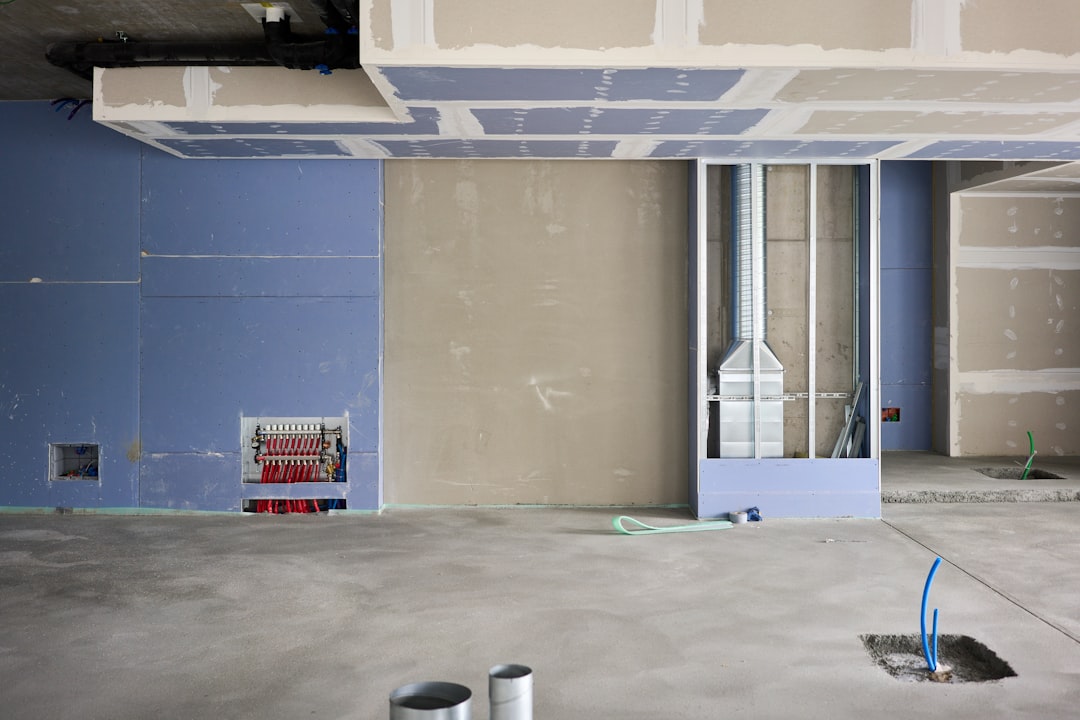
Drywall Installation
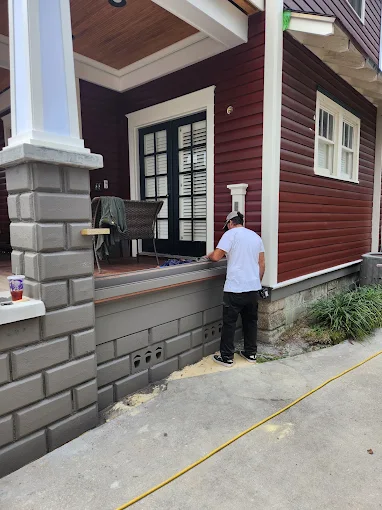
General Repairs
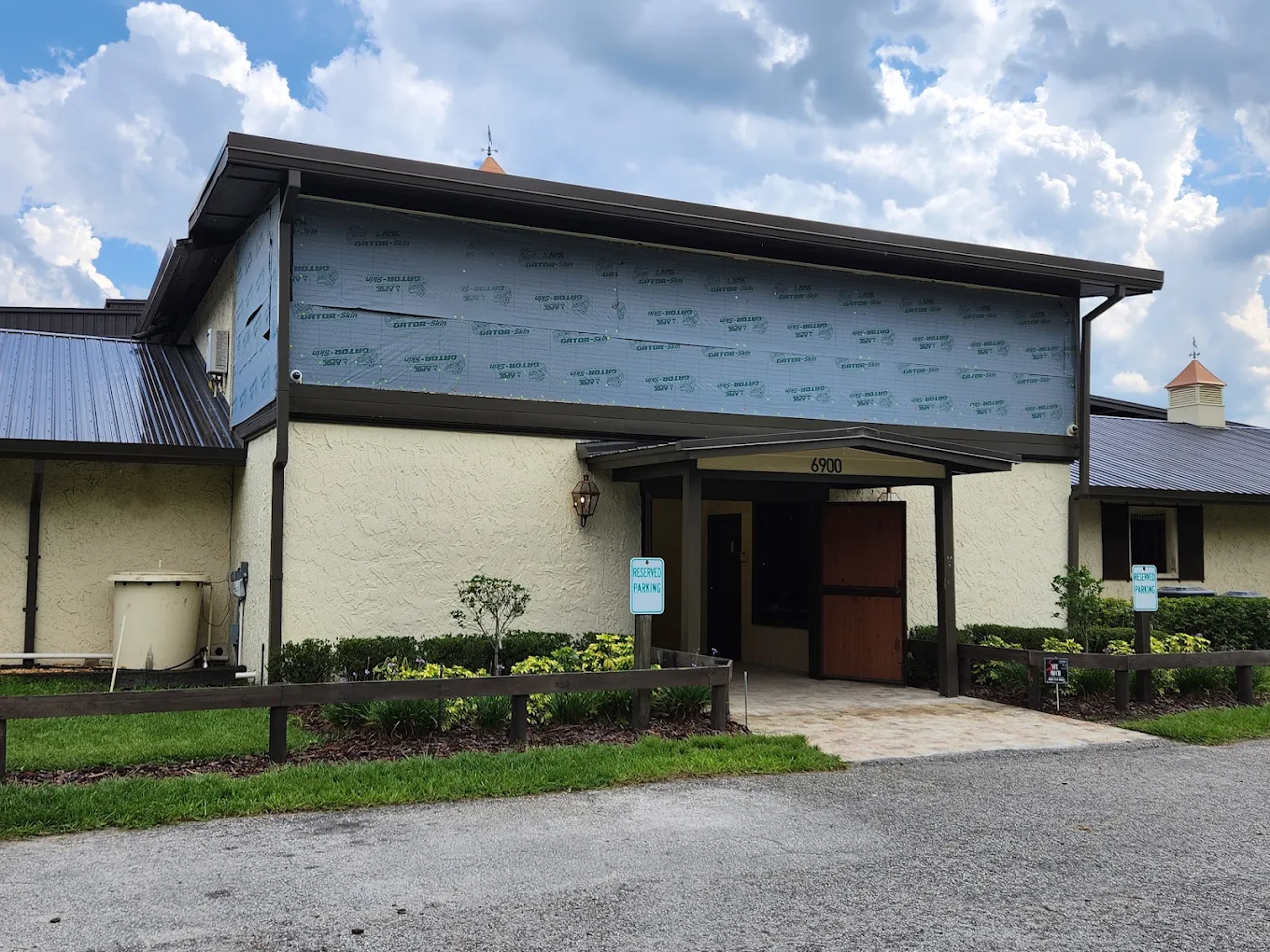
Waterproofing
Interior Structural Repairs
Find the Cause.
Then Fix the Wall.
Cause Diagnosed
We establish whether the damage is movement, moisture or impact before choosing a repair.
Cut Back Properly
Damaged board is removed to a sound edge on a support, not filled over and hoped for.
Patches Supported
New board is backed and fixed to something solid so the patch cannot flex or drop.
Matched Surface
Texture and level are matched to the surrounding wall so the repair does not show up in the paint.
Feathered Wide
Joints are built up and feathered well past the repair, which is what makes it disappear.
Clean and Contained
Furniture protected, area sealed, dust extracted and the room left usable.
Diagnosis to Invisible Repair.
Inspect & Diagnose
We establish what caused the damage and whether it is still active.
Fix the Cause
Leaks, loose framing or movement dealt with before any board goes back.
Cut Back & Support
Damaged material removed to a sound edge and backing fixed behind the opening.
Patch & Tape
Matching board fitted, joints taped and built up over successive coats.
Sand & Blend
Feathered, sanded, texture matched and checked under raking light.
A patch is only as good as what it is fixed to.
Why the Same Crack Keeps Coming Back
Working out what caused it
Water damage and why it needs patience
Making a patch that does not show
Matching what is already there
How we price repair work
Frequently Asked Questions
Why does the same crack keep coming back?
Can you repair a water-damaged ceiling?
Will the repair be visible?
Do you take on small jobs?
What causes those little circles that pop out of the wall?
Can you repair textured or artexed ceilings?
Do you provide free estimates?
Still Have Questions? Let’s Talk.
Speak to the person who will actually do the repair, not a call centre. We’ll talk it through and give you a straight answer.
New York, NY 10001
Request a Free Estimate
- Your information is secure and never shared.
From new construction to complete renovations, we deliver high-quality craftsmanship, on-time completion, and service you can trust.
Our Services
Get In Touch
- (212) 555-0188
- [email protected]
- 123 Construction Way, New York, NY 10001
-
Mon – Fri: 7:00 AM – 5:00 PM
Sat – Sun: 9:00 AM – 5:00 PM
© 2026 BuildRight Contracting. All rights reserved.