Drywall Installation
Flat Walls, Ready to Paint.
- Straight, Level Framing
- Taped and Filled Joints
- Moisture and Fire Board
- Dust-Controlled Sanding
Request a Free Estimate
- Your information is secure and never shared.
Boarding and Finishing Done Once
- Stud Work Set Out Plumb and Square
- Correct Board Type per Room
- Joints Taped, Not Just Filled
- Insulation and Soundproofing Fitted
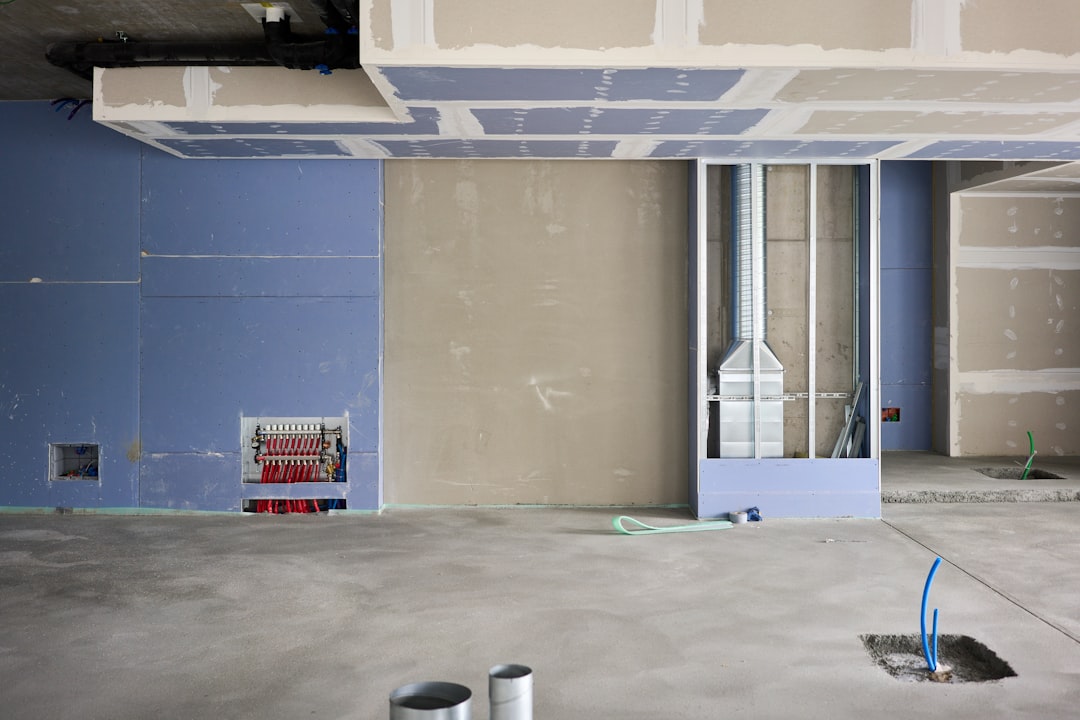
Stud Walls &
Partitions
Ceilings &
Bulkheads
Dry Lining &
Insulation
Taping &
Finishing
Related Services
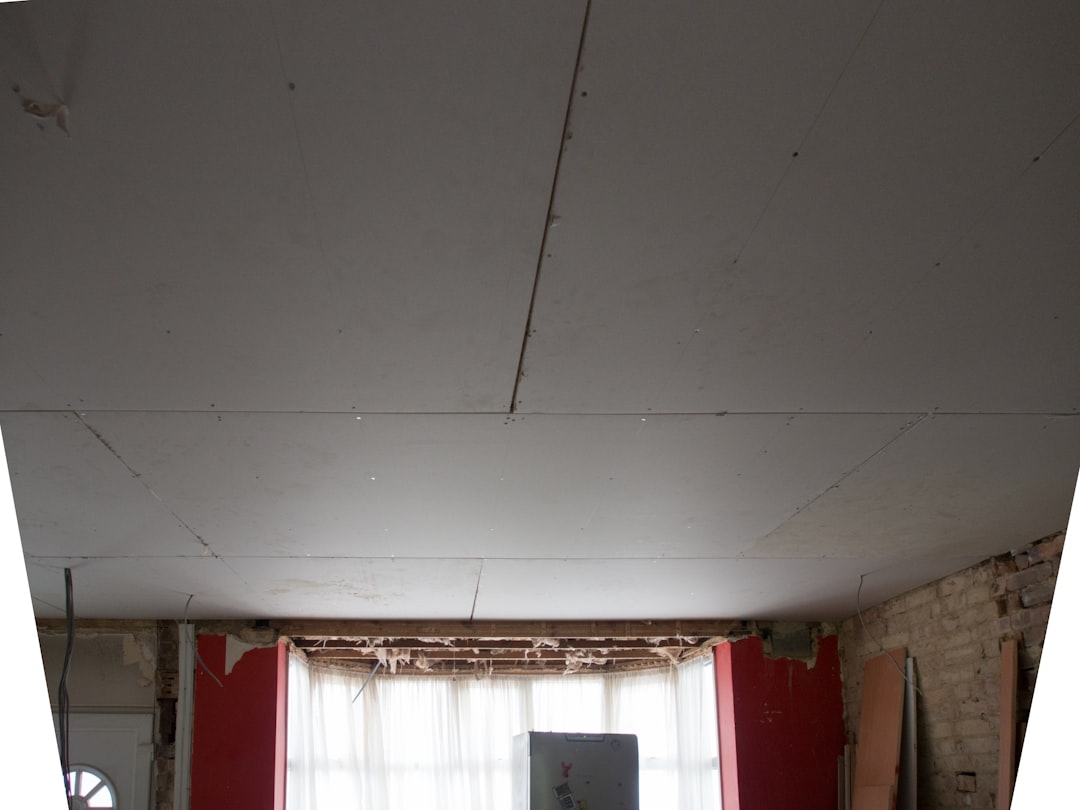
Drywall Repair
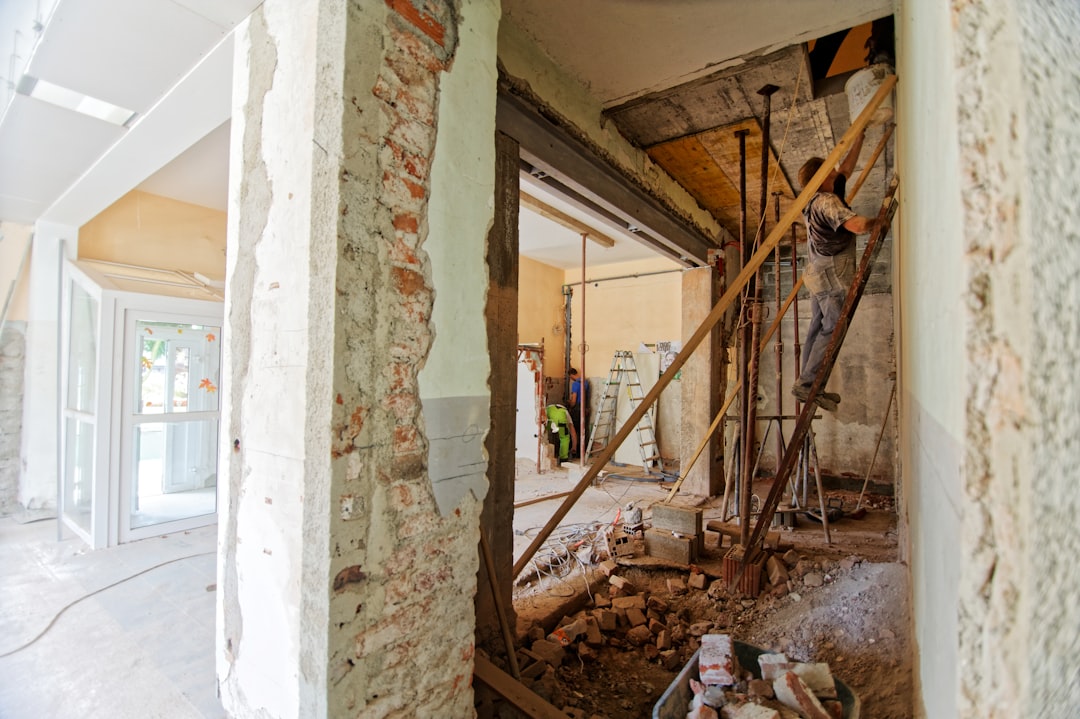
Home Renovations
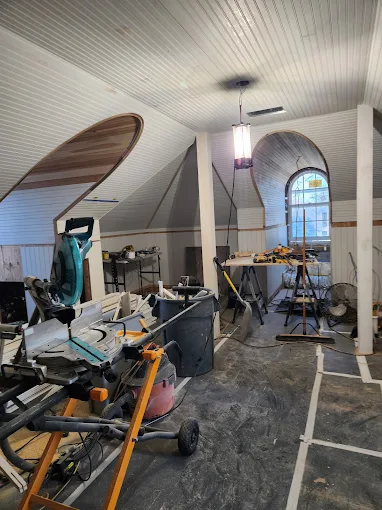
Interior Structural Repairs
Carpentry Services
Straight Framing.
Invisible Joints.
Framing First
Studs set out plumb, square and at correct centres, with noggins where fixings will be needed.
Right Board, Right Room
Moisture-resistant in bathrooms, fire-rated where required, acoustic board where sound matters.
Taped Properly
Joints are taped and built up in stages with drying time, rather than filled thick in one pass.
Fixings Planned
Noggins go in for radiators, TVs, cabinets and rails before the wall is closed up.
Sound and Insulation
Acoustic insulation and correct detailing where a partition needs to actually stop noise.
Dust Controlled
Extraction on the sanders and sheeted routes, because drywall dust travels through a whole house.
Framing to Paint-Ready.
Survey & Set Out
We check existing levels and mark out the framing before anything is fixed.
Frame & Services
Studwork built, noggins fitted and any cables or pipes run before boarding.
Insulate & Board
Insulation fitted, then boards cut and fixed with staggered joints.
Tape & Fill
Joints taped and built up over successive coats with proper drying between them.
Sand & Hand Over
Sanded flat with dust extraction, checked under raking light and cleared down.
The only honest test of a finished wall.
Why Some Walls Look Flat And Others Do Not
Framing decides the finish
Choosing the right board
Taping, filling and drying time
Planning for what goes on the wall later
How we price drywall work
Frequently Asked Questions
How long does drywall work take?
Do you supply and fit the insulation as well?
Can you match into existing plaster?
How much dust will there be?
Do you fit noggins for TVs and radiators?
Is the wall ready to paint when you leave?
Do you provide free estimates?
Still Have Questions? Let’s Talk.
Speak to the person who will actually do the work, not a call centre. We’ll talk it through and give you a straight answer.
New York, NY 10001
Request a Free Estimate
- Your information is secure and never shared.
From new construction to complete renovations, we deliver high-quality craftsmanship, on-time completion, and service you can trust.
Our Services
Get In Touch
- (212) 555-0188
- [email protected]
- 123 Construction Way, New York, NY 10001
-
Mon – Fri: 7:00 AM – 5:00 PM
Sat – Sun: 9:00 AM – 5:00 PM
© 2026 BuildRight Contracting. All rights reserved.